
Last updated November 23, 2026
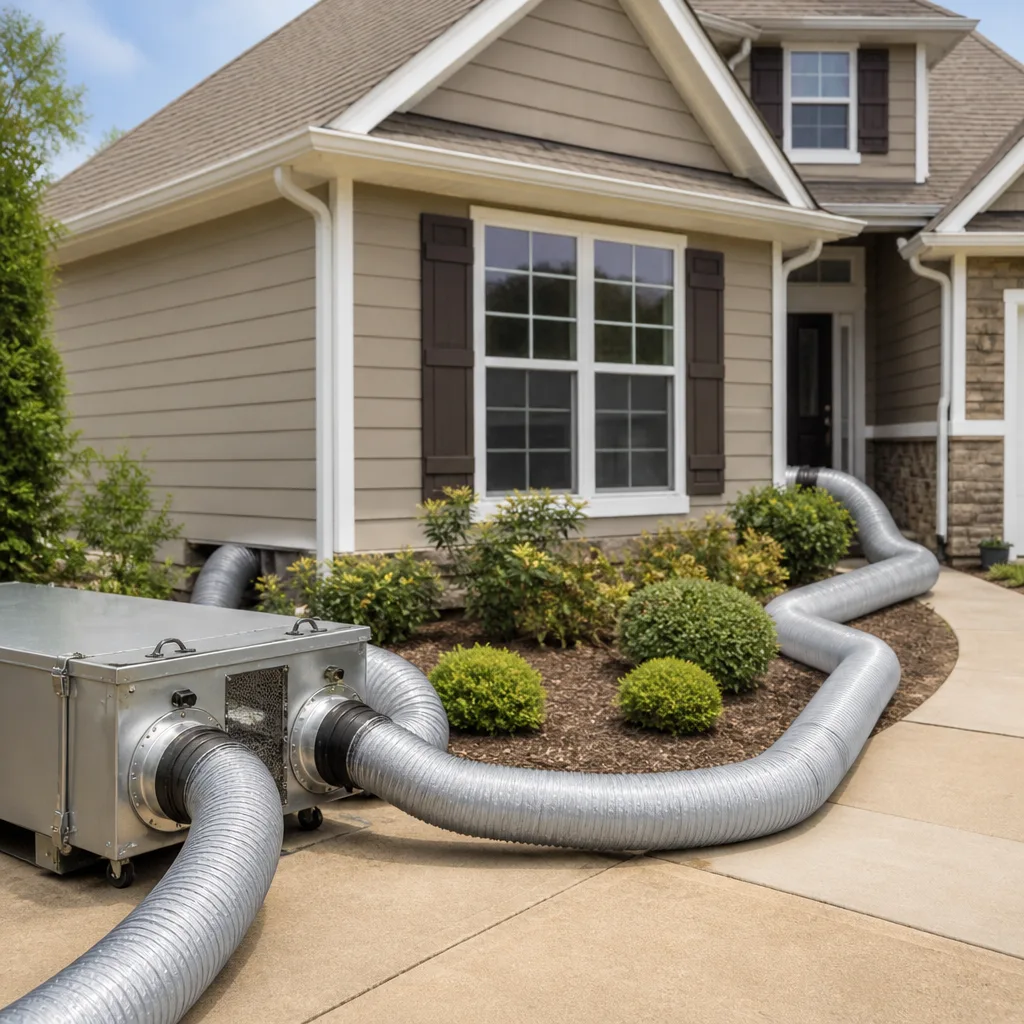 Whole-home duct cleaning
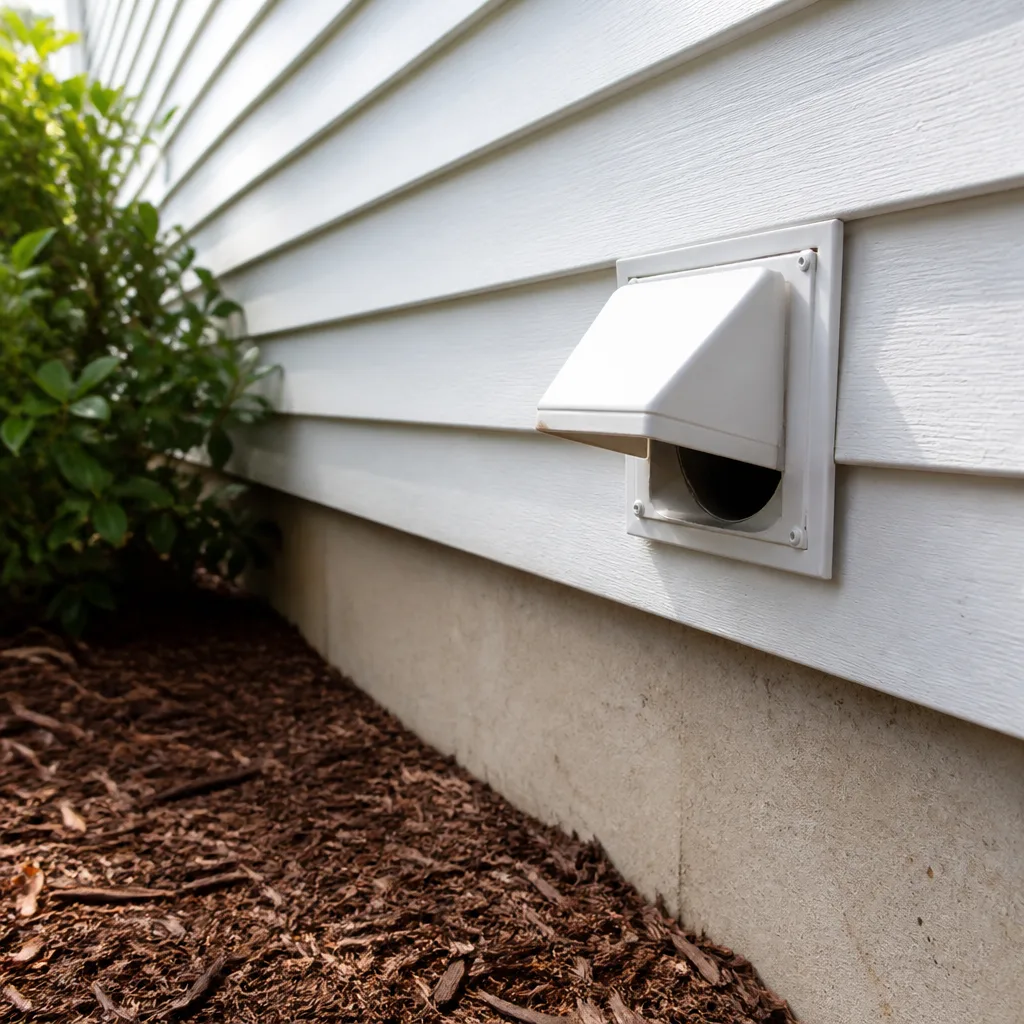 Dryer vent cleaning
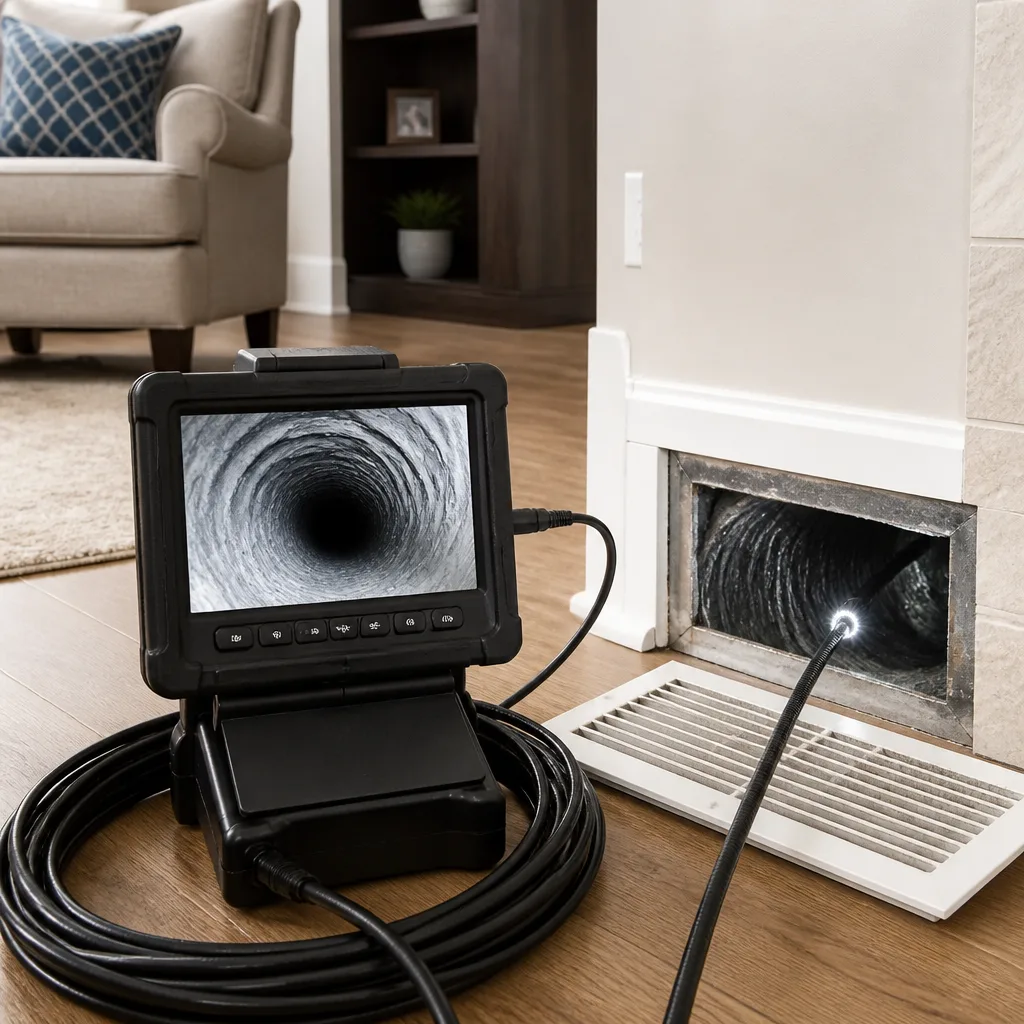 Camera inspection
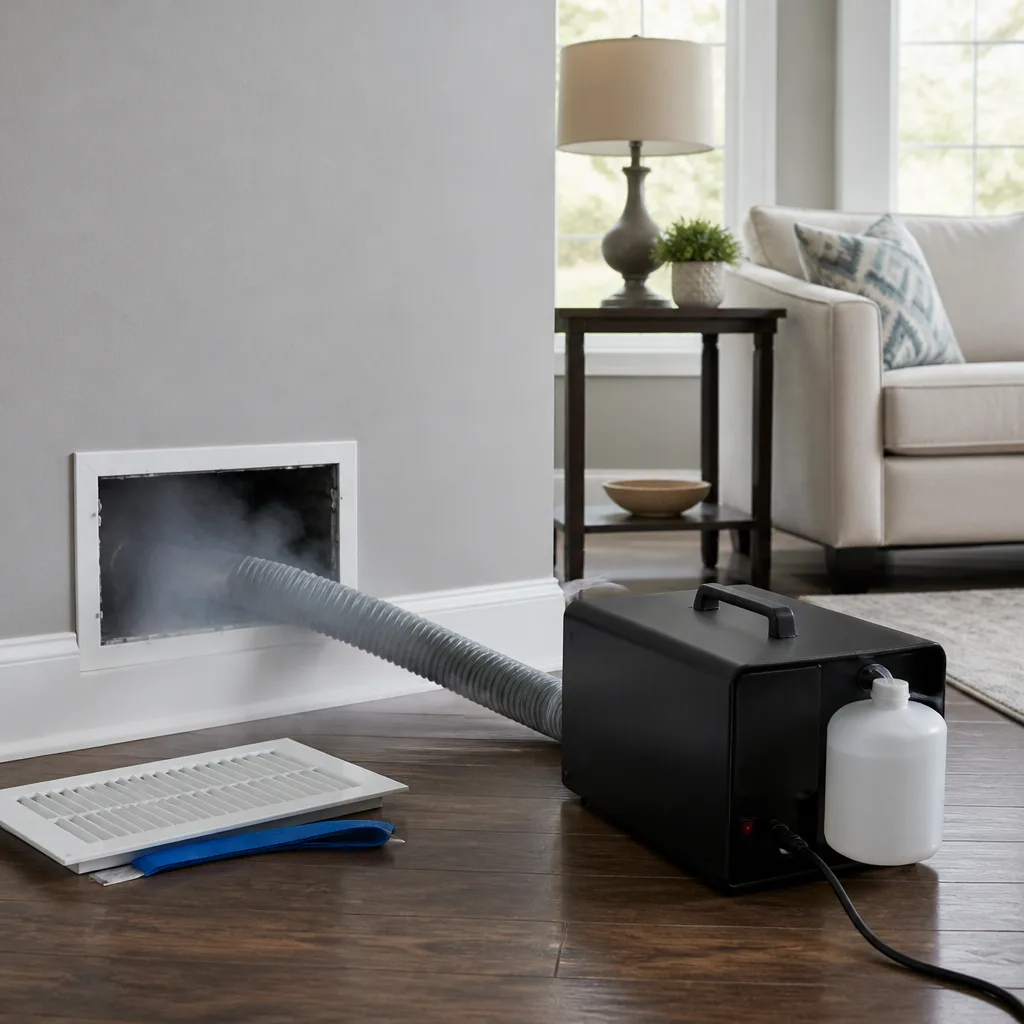 Sanitizing & deodorizing
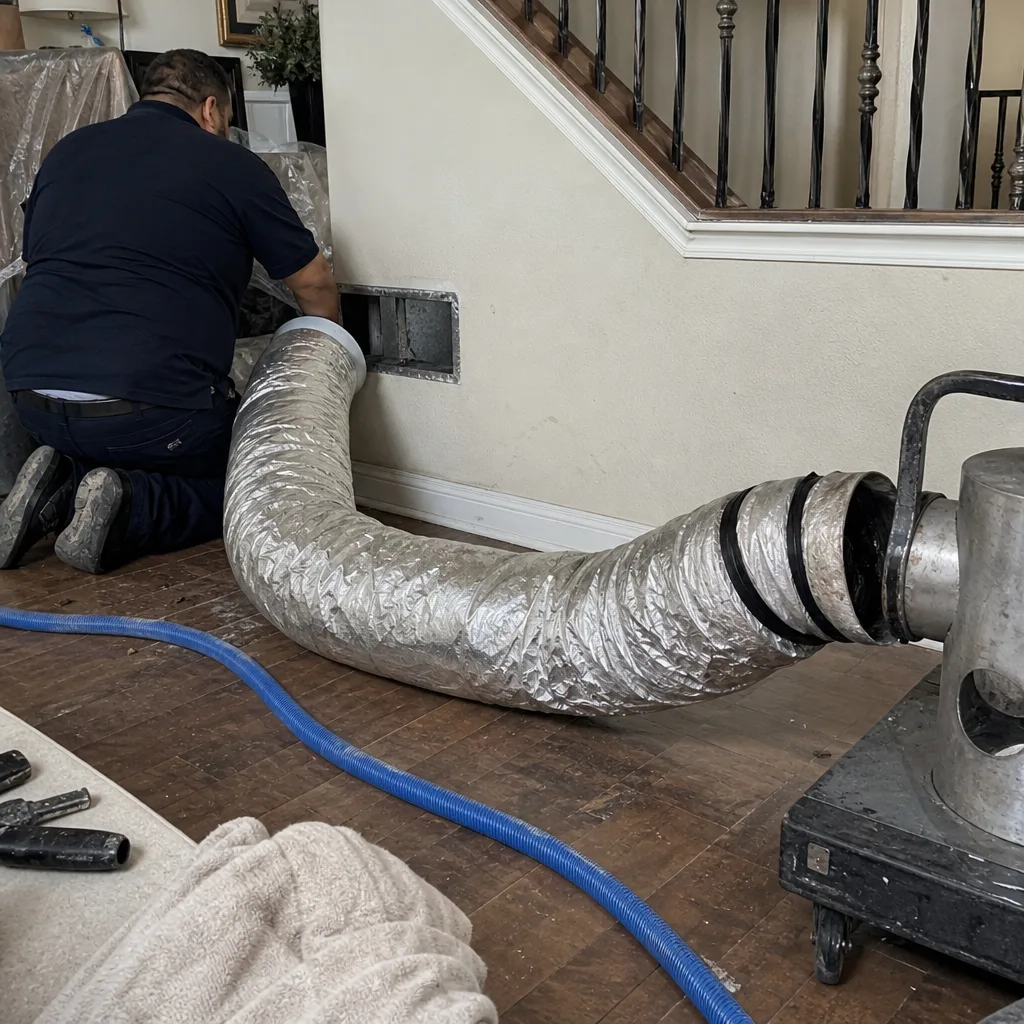
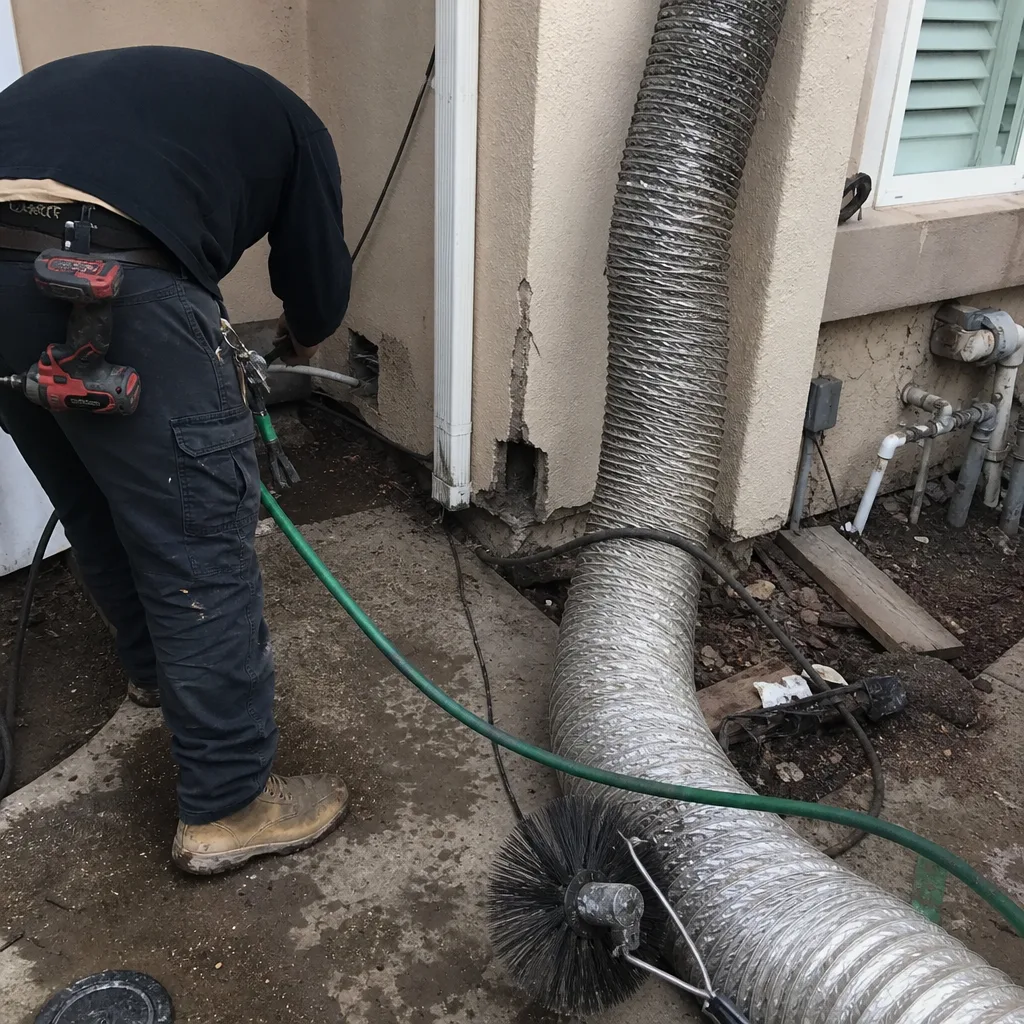
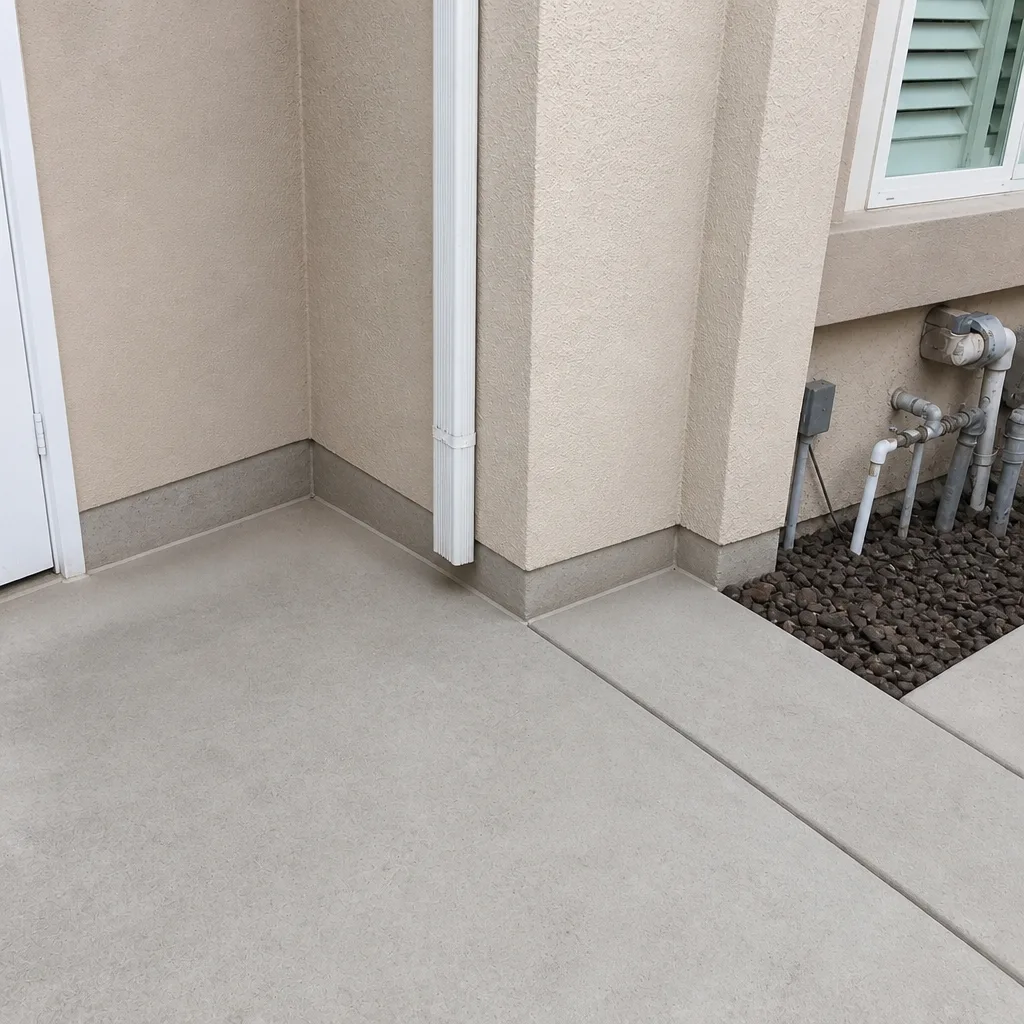
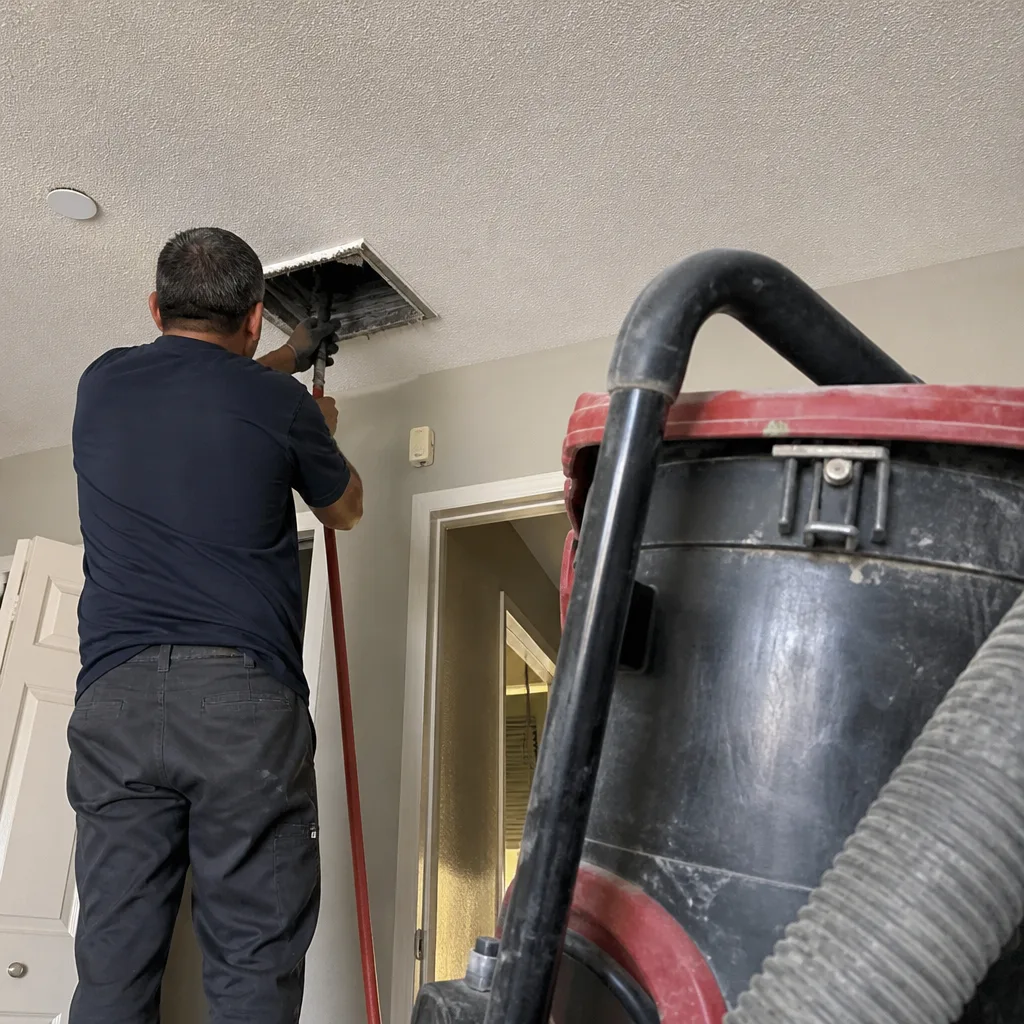
Whole-system duct and dryer vent check with before-and-after photos - you see exactly what came out of your vents
That "$99 whole-house special" is a bait ad - the real number appears once they are in your hallway, or the "clean" is a shop-vac at the register. We photograph the inside of your ducts before and after instead.
Seasonal Air Duct Cleaning Care for Aliso Viejo: Year-Round Homeowner’s Guide
Telling an Aliso Viejo homeowner to “clean the ducts in spring” is like telling a surfer to check the tide chart for Ohio. The timing advice is built for a climate that doesn’t apply here. Aliso Viejo doesn’t run on four textbook seasons. It runs on four distinct HVAC stress periods, and each one loads your duct system with a different kind of contamination. Santa Ana winds push fire-season particulates in the fall. The marine layer parks moisture against the hills in late spring and early summer. Peak cooling load clogs filters from July through September. Then the holidays end and your house has been sealed shut for weeks. This guide maps duct care to those real local patterns, month by month, so your cleaning calendar lines up with what your system actually faces.
Quick Answer
In Aliso Viejo, the highest-value time for a full duct cleaning is late summer into early fall, right before Santa Ana fire season, paired with a filter upgrade and a register inspection. A second smaller service window opens in late spring to address marine-layer moisture before cooling season, and dryer vent cleaning is best scheduled once a year on its own track. Skip the generic spring-cleaning tradition. Align your duct care to these four stress periods and you’ll get more out of every service visit.
Styles & brands we work with
- Whole-home duct cleaning
- Dryer vent cleaning
- Camera inspection
- Sanitizing & deodorizing
Table of Contents
- Why Aliso Viejo Duct Care Doesn’t Follow a Standard Seasonal Calendar
- The Four South OC HVAC Stress Periods
- Pre-Santa Ana Season Prep: Your Highest-Value Cleaning Window
- Post-Wildfire Smoke: When to Clean and When to Wait
- Marine Layer Moisture and Mold Risk in Late Spring
- Peak Cooling Load and Filter Clogging, July through September
- Post-Holiday Indoor Air Quality Recovery
- Your Aliso Viejo Month-by-Month Duct Care Calendar
- Common Mistakes to Avoid
- When to Call a Professional
- Frequently Asked Questions
Why Aliso Viejo Duct Care Doesn’t Follow a Standard Seasonal Calendar
Most duct cleaning advice you’ll find online was written for the Northeast or Midwest, where the system does one big thing in winter and one big thing in summer, and the shoulder seasons are quiet. Aliso Viejo is different. The region has warm, dry summers, mild humid winters, and a distinct fire season driven by offshore winds that arrive in fall. There’s also a marine layer that rolls in from the coast in late spring and parks moisture over the canyons and foothills that border much of the city.
That combination means duct contamination here isn’t a single annual event. It arrives in waves. Each wave has a different composition, and each one deposits differently inside your ductwork. Fine fire-season ash behaves nothing like the sticky organic particles that grow in humid air. Smoke residue behaves nothing like the loose dust that builds up during heavy air conditioning use.
A duct system that gets a spring cleaning and nothing else misses the biggest local loads of the year. It also misses the chance to get ahead of fire season, which is when the outside air gets the worst and your system has to work hardest to filter it. If you want a clean system that stays clean, you need a calendar tuned to Aliso Viejo’s actual patterns, not a generic one that ignores them.
The good news is that once you understand the four periods, the calendar becomes simple. You’ll know exactly when to schedule a full cleaning, when a light filter check is enough, and when to leave things alone. We walk through each period below, then pull it together into a month-by-month plan you can actually follow.
The Four South OC HVAC Stress Periods
Here’s the frame that runs through this entire guide. Aliso Viejo’s year splits into four HVAC stress periods, each with a different dominant contaminant, each loading your ducts in a different way.
- Santa Ana fire-season particulates (fall). Offshore winds push dry, dusty air and wildfire smoke inland. The dominant contaminants are fine particulates (PM2.5) and ash. These are light, travel deep into the return side, and settle along the top surfaces of duct runs.
- Marine layer mold risk (late spring / early summer). Coastal moisture moves in and lingers. The dominant contaminants are biological: spores, mildew, and humid, sticky dust that clings to duct lining rather than blowing through.
- Peak cooling load with filter clogging (July through September). The system runs almost continuously. Filters load faster, and any dust that bypasses a filter gets pushed deep into supply runs where it does the most damage.
- Post-holiday indoor air quality recovery (winter). Visitors, cooking, candles, and weeks of closed windows build up indoor-sourced particles. The system distributes them around a home that’s been sealed against the mild chill.
Notice the asymmetry. Supply ducts and return ducts don’t load the same way. Returns carry more of the light, deep-traveling stuff. Supplies carry the heavier, dust-bound particles that make it past the filter. That’s why a proper cleaning treats the two sides with different tools and different inspection points. A single pass with one tool won’t reach both.
If you’ve read anything about Aliso Viejo Air Duct Cleaning Pros, you’ve seen the point that clean ducts are the start and sealed, repaired ducts are the finish. That’s the whole reason this local calendar matters. You can time cleaning perfectly and still lose it all if the ducts have gaps that let unfiltered attic or crawlspace air leak back into the supply. Timing and root-cause repair have to go together.
Pre-Santa Ana Season Prep: Your Highest-Value Cleaning Window
If you’re going to pick one time of year for a full cleaning, this is it. Late August into early October is the highest-value duct cleaning window in Aliso Viejo, because you’re cleaning before the worst outdoor air of the year rather than after it.
Here’s the reasoning. Santa Ana winds drive fine particulate and smoke inland across South Orange County from roughly late fall into winter, with the most dangerous events in the fall. Once those particles enter the system, they settle into the return side and the horizontal runs where a typical vacuum won’t reach. By the time fire season is over, you’re cleaning up a mess that started months earlier. Cleaning first removes the existing dust and leaves a cleaner system to start from.
Before the season arrives, three tasks matter:
- Upgrade the filter. This is the single most useful prep step. A higher MERV filter traps more fire-season particulate before it reaches the ductwork. Your HVAC system’s blower has a limit on how restrictive a filter it can handle, so check what the system was designed to accept before you swap anything in.
- Inspect every register and return grille. Loose grilles, gaps around the frame, and missing dampers are entry points for unfiltered air. Tighten them now so the system is sealed before the outside air turns bad.
- Schedule a full cleaning. The system gets cleaned while filters can still keep the clean system clean through the season.
Then during fire events, run the system on recirculate rather than pulling in outdoor air, and change filters more often than usual. A professional-grade filter change is a small cost compared to replacing a blower motor strained by a clogged filter. If you’d like a system cleaned with real equipment and not a shop-vac shortcut, our air duct cleaning service is where most Aliso Viejo homeowners start.
One more note. The pre-Santa Ana window is also the right time to look at whole-home filtration. Honeywell media filters and Aprilaire filtration components mount into the system and trap a lot of what the standard 1-inch filter misses. If you’ve been thinking about an upgrade, installing it before fire season means it’s working when you need it most.
Post-Wildfire Smoke: When to Clean and When to Wait
This is the question we get most in the fall. How soon after a fire should the ducts be cleaned? The answer depends on what’s actually in the air, which means the timing is different for an active fire event than for a smoky stretch with no fire nearby.
Here’s the rule:
- While smoke is still in the air, wait. Cleaning a system while outdoor air is still loaded with fine particulate is self-defeating. The ducts get cleaned, then immediately pick up the same particles again. Keep windows closed, run the system on recirculate, and step up filter changes.
- Do not run the system at all during heavy smoke. Filtration helps, but if you can see or smell heavy smoke in the house during a serious event, the safest move is to shut the system off and keep windows and doors closed.
- Once the air clears, wait a few days, then schedule. Ash and fine particulate settle. Give the outside air a chance to clear before you re-energize the system and schedule a cleaning.
- If the home took visible smoke inside, get the system cleaned sooner rather than later. Smoke residue settles on duct liner and internal surfaces. The longer it sits, the more it bonds.
Now the part most people get wrong: expecting a HEPA filter to remove everything. HEPA filtration is very effective at capturing fine airborne particles that pass through it. What it can’t do is remove particles that have already embedded in duct liner, settled on top of duct runs, or bonded to the internal surfaces of the system. Filtration handles the air moving through. It doesn’t handle the surfaces holding the residue. That’s what a physical cleaning with professional tools like Rotobrush and Nikro systems does.
If your system has had a significant smoke load and you want the residue removed, not just filtered, that’s a job for a proper cleaning rather than a filter swap. Our team can walk through what your specific situation needs. Call (877) 820-9657 for an estimate; it’s free. We answer 24/7. Fast dispatch from 7am to 7pm, Sunday through Friday.
Marine Layer Moisture and Mold Risk in Late Spring
Late spring into early summer is the underrated duct problem in Aliso Viejo. The marine layer brings cool, moist coastal air over the hills and canyons, and it lingers in the mornings. That moisture does something specific inside a duct system that fire-season particulate doesn’t: it lets biological material establish itself.
The mechanics are simple. The system cycles between cool overnight air and warm daytime air. Condensation forms on cool duct walls, especially on uninsulated runs in the attic or garage. Dust that would normally blow through instead sticks to the slightly damp surface, and spores in that dust have the moisture they need to start growing. Over a few weeks, a small colony becomes a larger one, and by the time summer heat arrives, the system is distributing that contamination every time it runs.
What to watch for:
- A musty smell when the system first starts up. That’s the most reliable early signal. If it goes away after a few minutes of running, that points to surface growth that gets stirred up and blown through.
- Visible moisture or staining on duct joints or register frames. Especially on runs that pass through unconditioned space.
- An uptick in allergy symptoms indoors in late spring. That’s often the sign the system is cycling spores around the house rather than out of it.
Late spring is the right window for a moisture-focused inspection and, if needed, a sanitizing treatment. Our air quality sanitizing work uses Abatement Technologies protocols for contamination control, which is a different job than a surface wipe-down. It’s about reducing biological load on internal surfaces, not just spraying something in the vents. We’ve seen too many homes where a quick “sanitizer fog” was applied without any cleaning first; that’s a coating over contamination, not a fix.
If you notice the musty smell, book an inspection before cooling load ramps up. Call (877) 820-9657 for a free estimate. The written estimate sets the price, and it’s agreed before any work starts.
Peak Cooling Load and Filter Clogging, July through September
July through September is the heavy-use period. The system runs nearly continuously, filters load fast, and any weak point in the ductwork gets pushed harder than at any other time of year.
Here’s what goes wrong when a filter clogs in a system that’s working hard:
- Restricted airflow increases static pressure on the blower. The motor runs hotter and wears faster.
- Dust that bypasses a clogged filter gets pushed into the supply runs. Pressure finds every gap, so a compromised filter sends more dust into the system, not less.
- Supply ducts get loaded with heavier dust that settles on the bottom of horizontal runs. That’s the kind of contamination that clings and builds a crust, and it’s harder to remove than light fall particulate.
- Comfort problems start showing up as weak airflow at certain registers. That’s often a duct leak, a disconnected run, or a crushed flex line wasting air before it reaches the room.
During peak cooling, the right habits are:
- Check the filter every month and change sooner than the packaging suggests. High-use conditions call for more frequent changes.
- Watch for uneven cooling between rooms. If one register is much weaker than the others, get the ductwork checked for leaks or a disconnected run.
- Notice whether the system hunts for a setpoint it can’t hold. That’s often a sign of restricted airflow.
- Do not open the system to “check the ducts” yourself if you’re not trained. Interior components can be sharp and rarely go back together the way they came apart.
This is also the period where duct repair and sealing pays for itself. Loose joints and disconnected runs waste conditioned air into the attic or crawlspace. Sealing leaks and reconnecting runs keeps the air you paid for inside the conditioned space. If you’d like both the cleaning and the repair done by one team, our duct repair and sealing work pairs with cleaning so the system is sealed and clean at the same time.
Post-Holiday Indoor Air Quality Recovery
Winters here are mild, so windows stay closed more than you might expect, especially during the cooler weeks between Thanksgiving and the new year. That’s when indoor-sourced contamination builds up. Cooking, candles, fireplaces, and guests cycling through the house all add to the load. The system distributes all of it across every room.
You also get a second, quieter duct event in this period: the system picks up whatever settled over the summer and fall and cycles it back through. If the pre-Santa Ana cleaning didn’t happen, this is when you notice it. Filters load quickly, the system smells musty or dusty when it starts, and allergy symptoms tick up.
Here’s what to do in the post-holiday window:
- Change the filter immediately after the holidays. Cooking particulates and fireplace soot load a filter fast.
- Run the system on fan-only a few hours a day if you have the option. It moves air through the filter and helps clear loose particulate before it settles.
- Inspect registers and returns for visible dust accumulation. If dust is right at the register face, the run behind it is likely carrying more.
- Book a cleaning if you skipped the fall window, and consider pairing it with a proper filter upgrade.
This is also the natural time to address dryer vent cleaning. Dryer vent lint is a separate fire risk that doesn’t follow the duct calendar, but it’s the same physical system type and it’s often on the same visit. Our dryer vent cleaning service handles it once a year.
Your Aliso Viejo Month-by-Month Duct Care Calendar
Here’s the calendar built for Aliso Viejo’s 92656 and 92653 zip code climate patterns. It’s tuned to the four stress periods above, so it reads differently from a generic spring-cleaning plan. Treat it as a starting point; a home with allergies, pets, or recent renovation may need more.
January – Post-holiday filter change. Note any musty smell when the system starts.
February – Inspect registers and returns for dust accumulation. Book a cleaning if the fall window got skipped.
March – Light system check before the marine layer arrives. Confirm filter is fresh and grilles are snug.
April – Schedule the late-spring moisture inspection if you noticed any musty odor in previous years.
May – Marine layer peak. Watch for moisture staining and biological smell. Book sanitizing if needed.
June – Cooling season starts. Last easy window for a full cleaning before the heavy load.
July – Peak cooling begins. Check filters monthly. Watch for weak registers.
August – Best month for pre-Santa Ana full cleaning. Filter upgrade here pays off through the fall.
September – Cooling load continues. Book duct repair and sealing if you’ve noticed uneven cooling.
October – Santa Ana season arrives. Keep windows closed during events and run recirculate.
November – Monitor filters closely during any fire events. Change sooner than usual.
December – Post-fire clean if there was a significant smoke load. Holiday filter change afterward.
Two tasks run on their own track regardless of month: dryer vent cleaning once a year, and a whole-home filter check whenever the system starts feeling weak. If you want to consolidate it all into one call, our HVAC cleaning service covers the air handler and system components alongside the ducts so the entire air system gets handled by one team.
See the difference
 Before
 After
 Before
 After
 Before
 After
Common Mistakes to Avoid
- Following a generic spring-cleaning calendar. Spring in Aliso Viejo is the marine layer arrival, not the pre-fire-season window. Cleaning then and skipping the fall leaves you starting fire season with a system that’s already loaded.
- Believing a HEPA filter makes cleaning unnecessary. Filtration removes airborne particles; it can’t lift particles already embedded in duct liner. If the system hasn’t been physically cleaned, a filter can’t do the job.
- Skipping duct repair after a cleaning. A cleaning on leaky ducts pulls contamination back in through every gap. Seal first or at the same time.
- Accepting a per-vent price quote. Per-vent pricing encourages the provider to count vents instead of cleaning the whole system. A flat price per system, agreed before work starts, is the right structure.
- Hiring whoever bids lowest on a phone call. The lowest bid is often for a vacuum-only pass that doesn’t reach the supply runs or address contamination. Ask what equipment is used and whether repair is included in the scope.
- Sanitizing without cleaning first. A sanitizer applied over contaminated surfaces doesn’t fix the problem. Cleaning comes first, then sanitizing if the inspection calls for it.
- Ignoring the dryer vent. Dryer vent lint is a separate fire risk that builds quietly. Annual cleaning is a standard practice for a reason.
When to Call a Professional
Call us when you see the signals that point to more than surface dust. A musty smell that lingers when the system starts up, visible dust blowing from a register, uneven cooling between rooms, unexplained allergy flare-ups indoors, a recent renovation with drywall dust, or a home that took smoke inside after a fire. Also call after a significant wildfire smoke event if you can see or smell residue inside. In our experience, homes with pets, young children, or allergy sufferers benefit from a proper inspection at least once a year.
Aliso Viejo Air Duct Cleaning Pros offers free estimates in Aliso Viejo. Call (877) 820-9657. We answer 24/7. Fast dispatch from 7am to 7pm, Sunday through Friday. Every job is priced per system by a written estimate agreed before work starts, with before-and-after photos of your own ducts so you can see what was actually removed.
Frequently Asked Questions
Whole-system air duct cleaning in Aliso Viejo typically runs in the range of about $350 to $700 for a standard home, and it’s priced per system rather than per vent. Larger homes, systems with multiple zones, duct repair and sealing, and separate dryer vent cleaning each add to the total. The written estimate sets the final price and is agreed before any work starts. Call (877) 820-9657 for an exact quote; estimates are free.
Low quotes usually reflect a vacuum-only pass or a per-vent price that doesn’t cover the whole system. Some use consumer-grade vacuums instead of professional equipment like Rotobrush or Nikro systems. A proper cleaning takes time, reaches supply and return runs, and includes inspection. The safest way to compare quotes is to ask exactly what’s included and whether duct repair is part of the scope. Call (877) 820-9657 for a free, honest estimate.
Ask for before-and-after photos of your own ducts, taken during the service. A professional cleaning team will photograph the return side and supply runs before work begins and after it’s finished. That gives you a clear record of what was removed. Call (877) 820-9657 to schedule; estimates are free.
For most Aliso Viejo homes, once a year, timed to the pre-Santa Ana window in late summer, is enough to stay ahead of contamination. Homes with pets, allergy sufferers, recent renovations, or a recent wildfire smoke event may need a second service. Dryer vents should be cleaned annually on their own track. Call (877) 820-9657 for a free estimate.
Before. Cleaning before fire season removes existing dust and leaves a cleaner system to start from, so a fresh filter can do its job through the season. A second cleaning after a significant smoke event is often the right call if residue actually got inside. Call (877) 820-9657 for guidance on your specific situation; estimates are free.
Yes. Aliso Viejo Air Duct Cleaning Pros connects homeowners across Aliso Viejo and South Orange County with vetted local professionals for duct cleaning, dryer vent cleaning, HVAC cleaning, duct repair and sealing, and air quality sanitizing. Call (877) 820-9657 for a free estimate. We answer 24/7. Fast dispatch from 7am to 7pm, Sunday through Friday.
The Bottom Line
Aliso Viejo doesn’t run on four textbook seasons, and your duct care shouldn’t either. The four stress periods here – Santa Ana fire-season particulates, marine layer moisture, peak cooling load, and post-holiday indoor recovery – each load your system in a different way. Time your cleaning to the pre-Santa Ana window, handle marine-layer moisture in late spring, check filters relentlessly in summer, and recover after the holidays. Pair every cleaning with a look at duct repair and sealing so the system stays clean once it’s clean. That’s the local calendar, and it’s what actually works here. If you’re ready to set a service window, call (877) 820-9657 for a free estimate on a proper whole-system cleaning.
Written by the team at Aliso Viejo Air Duct Cleaning Pros.