
Last updated November 23, 2026
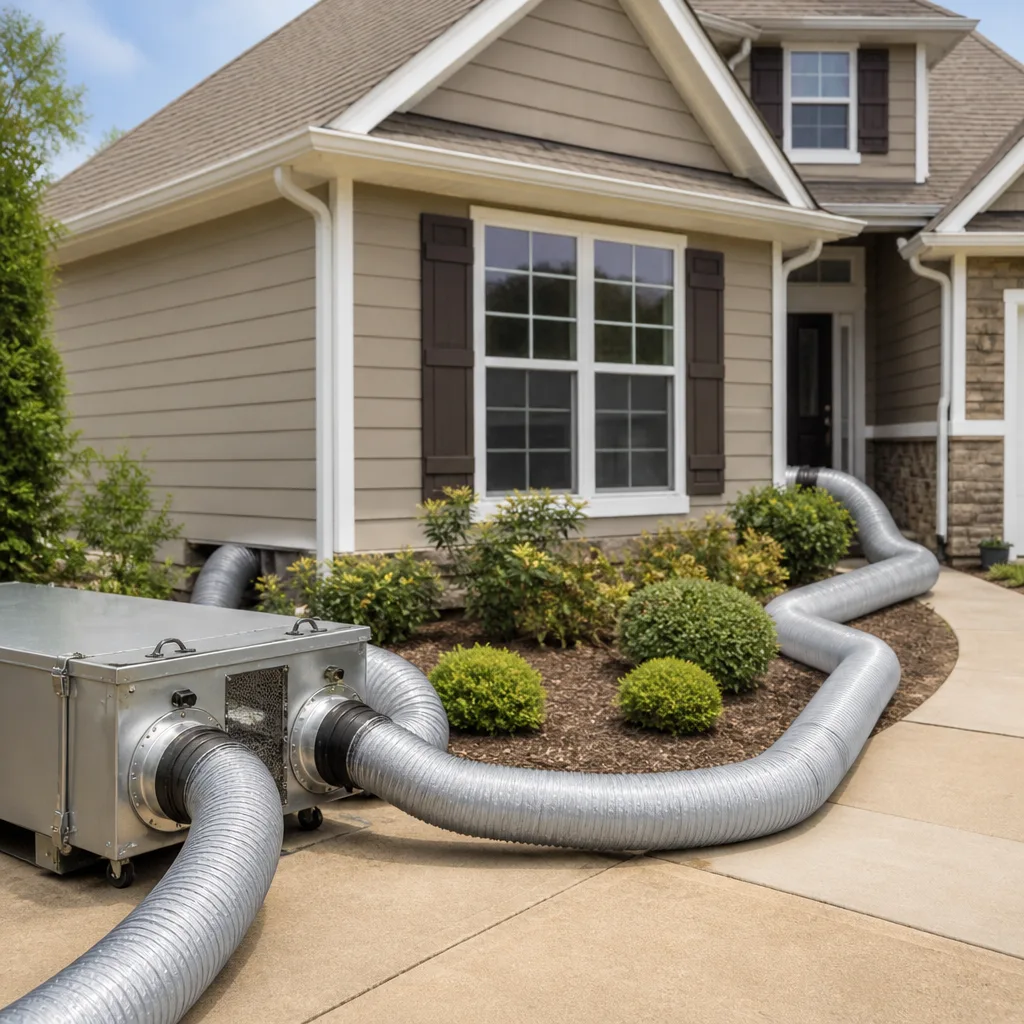 Whole-home duct cleaning
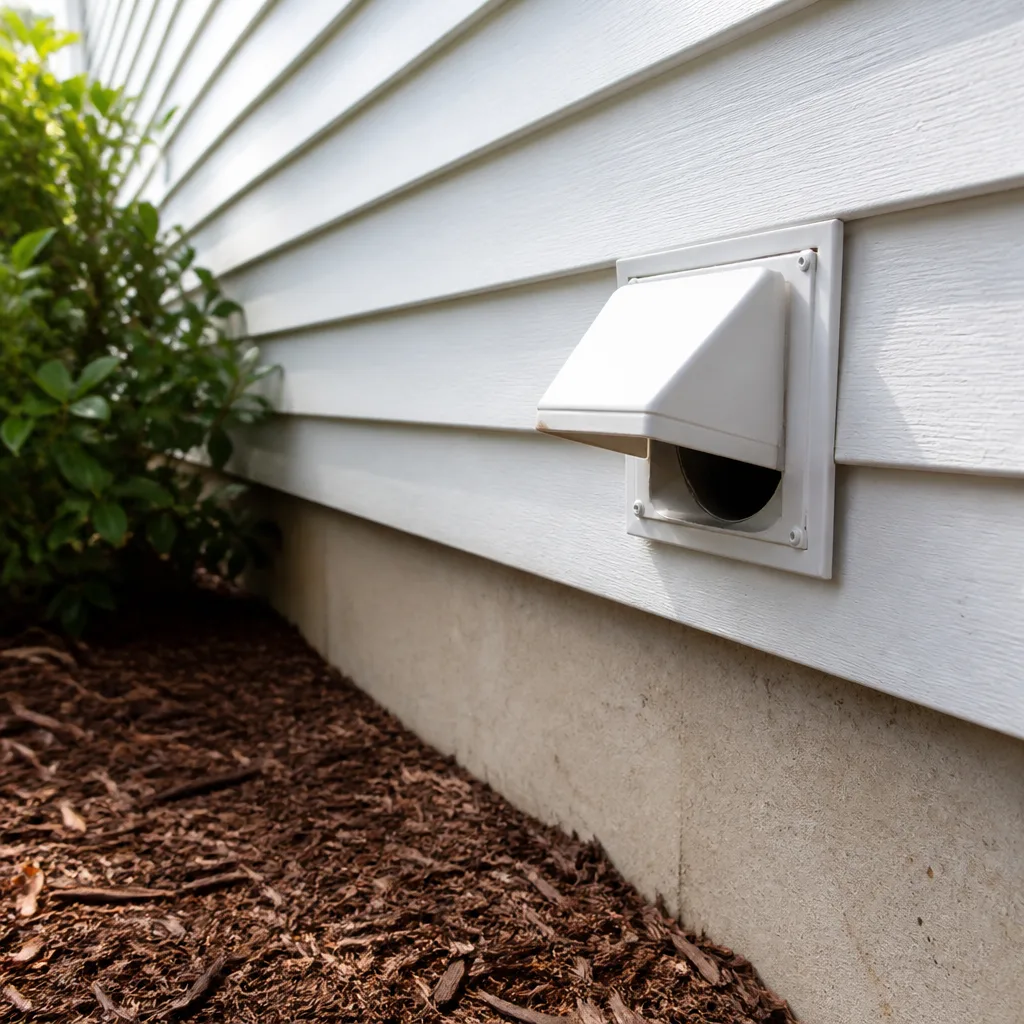 Dryer vent cleaning
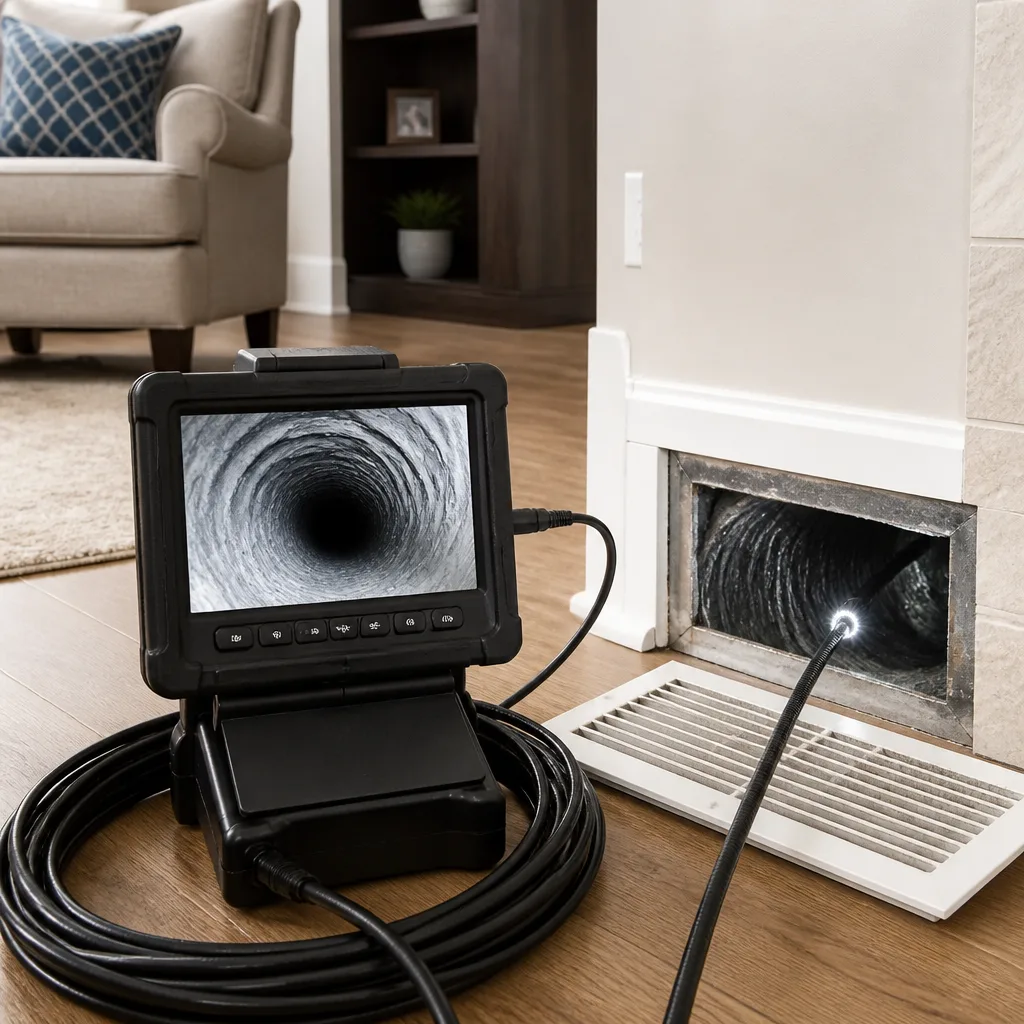 Camera inspection
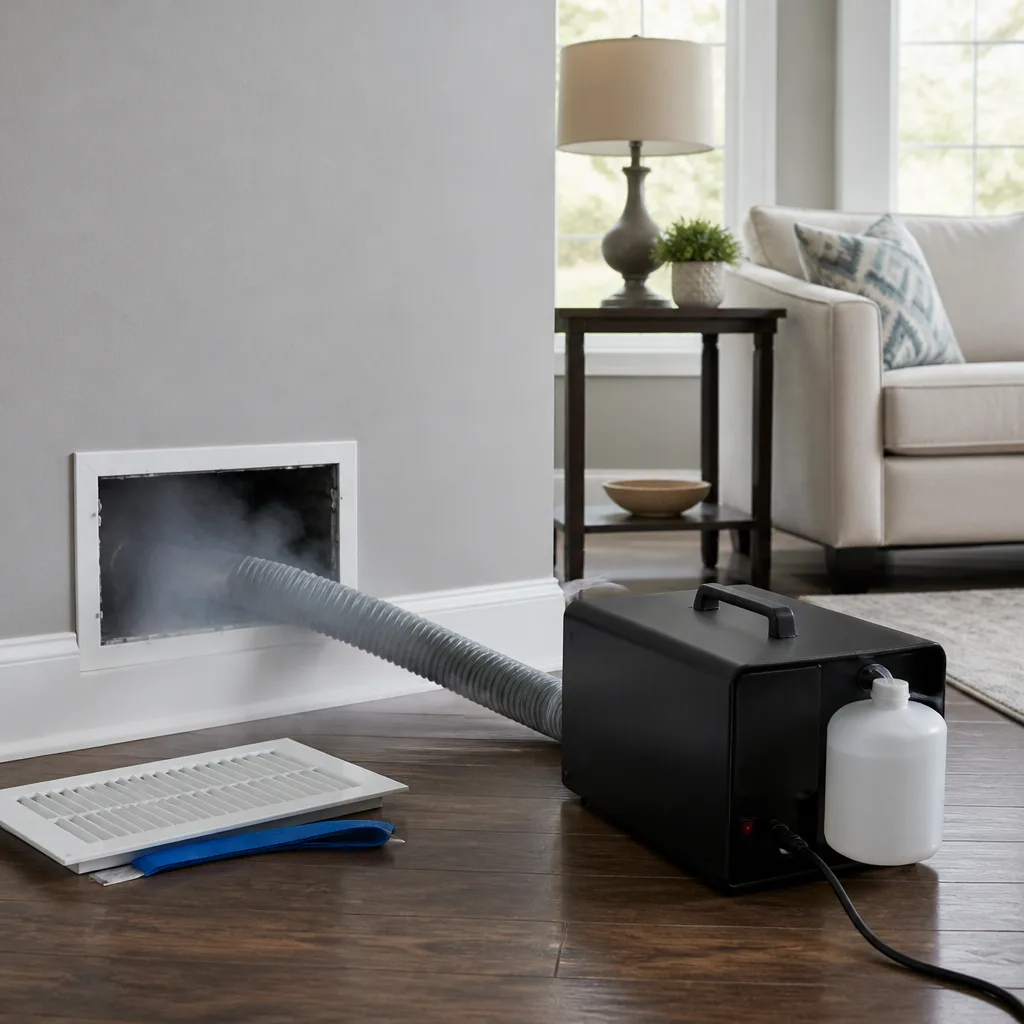 Sanitizing & deodorizing
Whole-system duct and dryer vent check with before-and-after photos - you see exactly what came out of your vents
That "$99 whole-house special" is a bait ad - the real number appears once they are in your hallway, or the "clean" is a shop-vac at the register. We photograph the inside of your ducts before and after instead.
DIY vs Professional Air Duct Cleaning: The Aliso Viejo Homeowner’s Decision Guide
A shop vac and a dryer vent brush can clean your registers. They cannot clean your duct system. That gap is where most DIY air duct projects go wrong, and it has nothing to do with effort or the quality of your vacuum. It comes down to physics: professional duct cleaning depends on sustained negative pressure that pulls debris toward a collection point instead of pushing it deeper into the system. Understanding exactly why that matters will help you decide what’s worth doing yourself in an Aliso Viejo home and what genuinely needs professional equipment.
Quick Answer
Cleaning the visible parts of your system – registers, return grilles, filter slots and dryer vent lint traps – is reasonable DIY territory. Cleaning the interior of the ductwork is not, because consumer vacuums cannot generate the airflow and negative pressure that source-removal cleaning requires. For most Aliso Viejo homes, professional air duct cleaning is the practical choice beyond the register level; for a very small single-zone condo system, a rental rotary tool can work if you understand the method.
Styles & brands we work with
- Whole-home duct cleaning
- Dryer vent cleaning
- Camera inspection
- Sanitizing & deodorizing
Table of Contents
- Why Negative Pressure Changes Everything
- What You Can Legitimately Do Yourself
- When DIY Makes the Professional Job Harder
- The Real Cost-Benefit Math
- How Professional Equipment Actually Works
- The One Exception: Small Single-Zone Systems
- Common Mistakes to Avoid
- When to Call a Professional
Why Negative Pressure Changes Everything
Air duct cleaning is a source-removal process, not a wiping process. The goal is to dislodge contamination from the duct walls and capture it before it can resettle or drift into the living space. That requires two things happening at once: agitation to loosen debris, and a sustained pressure differential strong enough to carry that debris toward a collection point.
Professional systems are rated in cubic feet per minute (CFM), and that number matters more than any other spec. A truck-mounted or high-powered portable unit pulls several thousand CFM through the system when connected at the main trunk. Consumer shop vacuums typically move somewhere in the low hundreds of CFM at the hose, and that figure drops sharply as soon as you add length, bends or a filter. The result is that a shop vac pushed into a floor register mostly stirs up dust without capturing it. Some of that dust ends up back in the room.
A Nikro or Rotobrush system is built around this reality. The Rotobrush uses a rotating brush whip driven through the duct while a HEPA-filtered vacuum holds negative pressure at the opposite end, so loosened debris has somewhere to go. Nikro equipment is designed for the same principle: agitate, contain, extract. The two work together as a system, not as a strong vacuum alone.
In an Aliso Viejo home with a typical forced-air layout, the duct runs are long enough and the trunk lines large enough that pressure loss through the system is significant. That’s a structural fact of residential HVAC, and it’s why the CFM gap between consumer and professional equipment is not a marketing difference. It’s the whole ballgame.
What You Can Legitimately Do Yourself
Plenty of maintenance around the air system is well within reach for a careful homeowner, and doing it regularly makes the professional visit more effective when you do schedule one. Think of these as the maintenance layer, not the cleaning layer.
- Register and grille cleaning. Remove the supply registers and return grilles, wash them in a sink or outdoors, and dry them fully before reinstalling. This is where most visible dust accumulates, and it’s the easiest win.
- Filter changes. Replace the filter on the schedule the manufacturer specifies, and check it monthly during heavy use. A clogged filter strains the blower and reduces airflow throughout the house.
- Dryer vent lint trap clearing. Empty the lint screen before every load. This is basic fire-safety maintenance, and it extends the interval between professional dryer vent cleaning visits.
- Visual inspection. A flashlight and your phone camera can show you a lot. Snap photos down a register boot, look for visible dust buildup on the blower compartment (with power off), and note any musty smells or visible pest activity. Photos help you describe the situation accurately when you call.
- Condensate and drain pan checks. If your air handler has a drain pan, keep it clean and confirm the drain line flows freely. Standing water is a mold source.
What you shouldn’t do yourself is push a brush or vacuum head deep into the ductwork and assume you’ve cleaned it. Without a collection point at the other end, you’re relocating debris rather than removing it. Our technicians have up to 15 years of experience, and the pattern we see most often is a homeowner who tried the deep-duct approach and ended up with more dust in the air than when they started.
When DIY Makes the Professional Job Harder
This is the part most DIY guides skip. A failed DIY attempt doesn’t leave the system in the same condition it was before. It can make the professional cleaning more involved, and in some cases more costly, because the debris distribution has changed.
Here’s what happens. When you agitate dust inside a duct run without establishing negative pressure at the far end, that dust becomes airborne inside the system. Some of it settles in new locations – downstream in the trunk line, on top of the blower wheel, in secondary branch runs that were previously clean. When a professional arrives, the cleaning scope is now larger than it would have been. The trunk line needs attention it didn’t need before, and the blower may need cleaning as well.
The second issue is access. Homeowners sometimes remove or bend register boots, tape over seams with the wrong material, or cut into flex duct trying to reach further in. Flex duct is especially unforgiving; a tear in the inner liner creates a permanent leak that reduces efficiency and gives contamination a place to collect. Duct repair and sealing then becomes part of the job rather than a cleaning alone.
There’s also a hygiene concern. If the system has any microbial growth, which is common in humid pockets of Southern California homes during the cooling season, agitating it without containment can spread spores into the living space. This is why measured air quality work, not just a visual wipe-down, matters. If you suspect growth, stop and call before you touch anything.
The Real Cost-Benefit Math
The DIY-versus-professional cost comparison is usually framed wrong. People compare the price of a shop vac and a brush kit to a professional quote and conclude DIY wins. That comparison leaves out the effectiveness gap, which is the only number that actually matters.
Here’s a realistic breakdown of what each approach gets you:
- DIY supply cost. A shop vac, a vent brush kit and a filter upgrade will run a few hundred dollars at retail. That buys you register-level cleaning and nothing deeper.
- DIY rental route. Renting a rotary brush tool for a day costs a fraction of a professional job. It can work on a small single-zone system, but only if you understand the setup, the containment and the extraction end. Done wrong, it’s wasted money.
- Professional whole-system cleaning. Priced per system by a written estimate, not per vent. That estimate reflects the actual scope: number of runs, system size, level of contamination, and whether repair or sealing is needed.
The honest way to think about it: register cleaning is cheap and worth doing yourself. Whole-duct cleaning is a job that either removes the contamination or doesn’t, and there’s no partial credit. Multiply the DIY supply cost by the chance it actually cleans the ducts, and the professional estimate looks different.
For a wider view of what a full air duct cleaning visit covers in a typical Aliso Viejo home, that breakdown walks through the components room by room, which helps you compare any quote line for line.
How Professional Equipment Actually Works
The clearest way to understand the gap is to walk through what a professional cleaning actually involves, step by step. This is descriptive, not a DIY instruction set – the equipment and technique below are what trained technicians use.
- System assessment and protection. The technician maps the duct layout, identifies the system type (rigid, flex or a mix), and places floor protection. Guardsman-grade protection products keep the work area clean and protect finishes during the visit.
- Negative pressure setup. A high-CFM vacuum is connected at the main trunk or a strategic return, creating a sustained pressure differential across the entire system. This is the step that makes everything else work.
- Agitation through every run. A Rotobrush whip or Nikro agitation tool is driven through each branch run, loosening contamination from all four duct walls. The negative pressure captures it as it lifts.
- Source removal at the collection point. Debris travels to the vacuum and is captured, not recirculated. The technician confirms collection throughout, not just at the end.
- Sanitizing where indicated. If contamination assessment calls for it, an Abatement Technologies air-quality protocol is applied. This is measurable contamination control, not a surface spray.
- Repair and sealing check. Seams, joints and any compromised flex sections are inspected. Clean ducts are the start; sealed, repaired ducts are the finish, and this is where a full-scope provider differs from a pure-cleaning one.
- Filtration and system verification. The filter slot, blower compartment and any whole-home filtration components are checked. Where a homeowner wants an upgrade, familiar product lines like Aprilaire and Honeywell filtration can be discussed as a follow-on step.
None of those seven steps can be replicated with a shop vac. That’s not a knock on DIY; it’s just what the process requires. For the full picture of what a professional HVAC cleaning includes alongside the ductwork, that page covers the air handler, coil and blower side.
The One Exception: Small Single-Zone Systems
There is a legitimate DIY scenario, and it’s narrow. A small condo or compact single-zone home in Aliso Viejo with a short, simple duct layout – one air handler, a handful of short runs, easy access at both ends – can sometimes be cleaned effectively with a rented rotary brush tool. The key word is “sometimes,” and it depends on a few conditions being met.
- You can establish negative pressure at the far end. A HEPA vacuum connected at the return or at an open register on the opposite side of the run you’re working. Without that, don’t bother.
- The runs are short and accessible. Long trunk lines with multiple branches are beyond what a rental tool handles well.
- You understand containment. Plastic sheeting and tape around the work opening prevent debris from escaping into the room.
- There’s no evidence of microbial growth. If there’s a musty smell or visible growth, that’s a sanitizing job, and it belongs to someone with Abatement Technologies-grade protocols.
- You’re willing to inspect afterward. A phone camera down each run and a clean white cloth wiped at the register tell you whether the job actually worked.
Outside that narrow case, the rental rotary tool becomes a false economy. Our technicians have up to 15 years of experience, and in our experience the systems that show up half-cleaned after a DIY rental attempt are consistently the ones where the homeowner underestimated the number of runs or the difficulty of containment.
See the difference
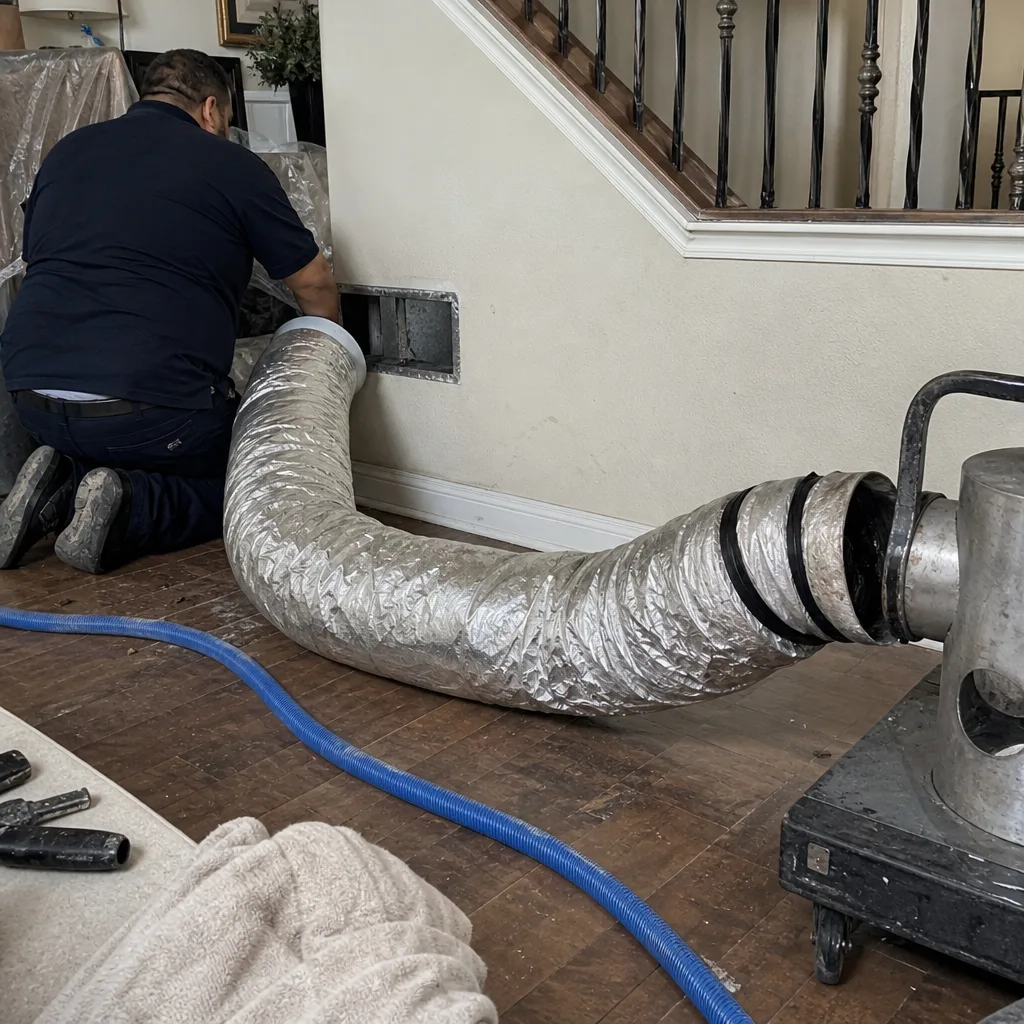 Before
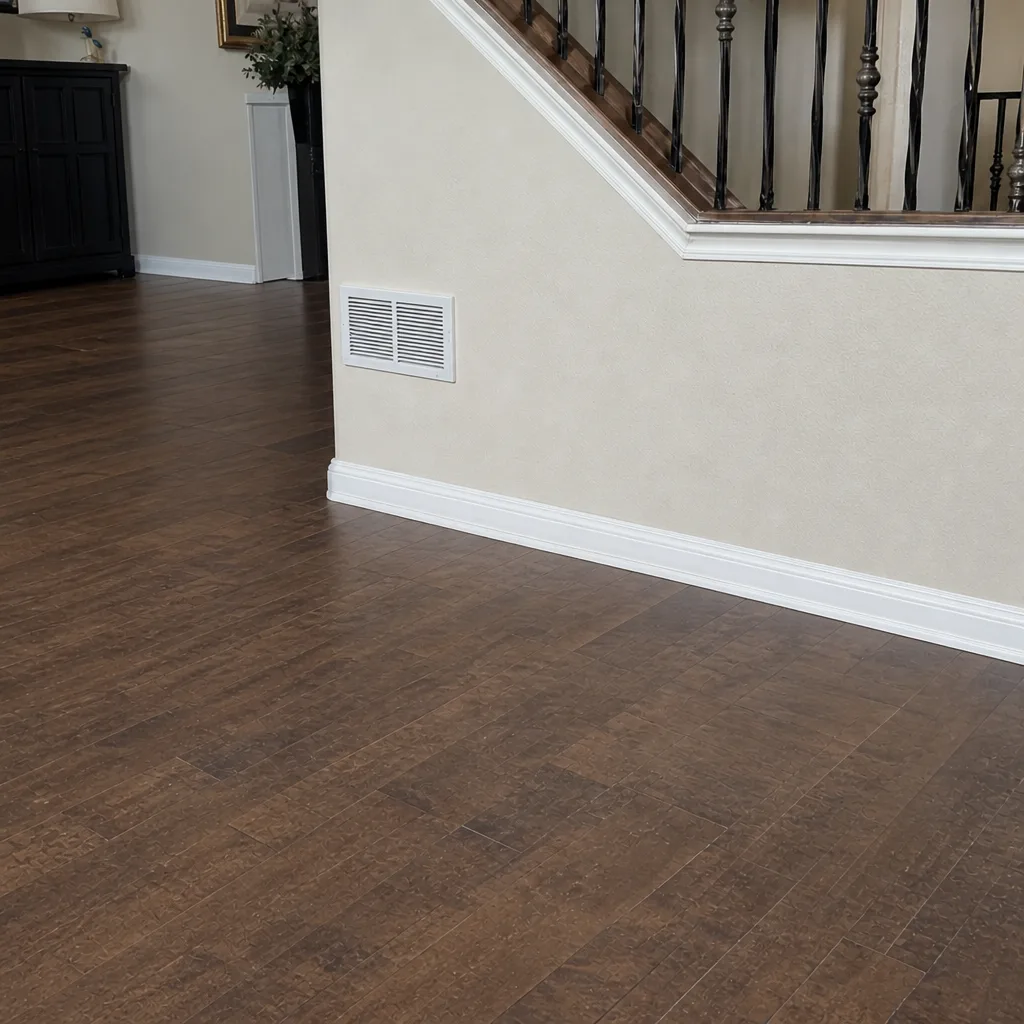 After
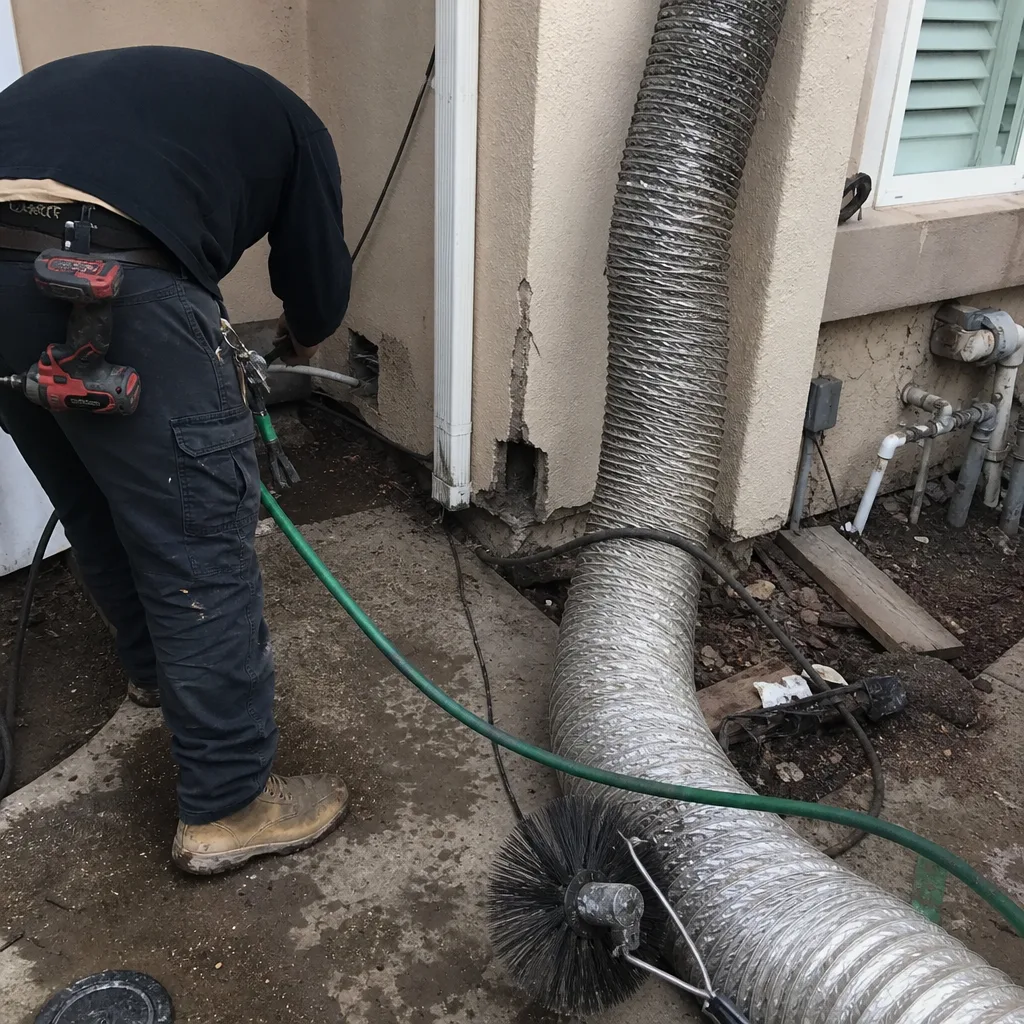 Before
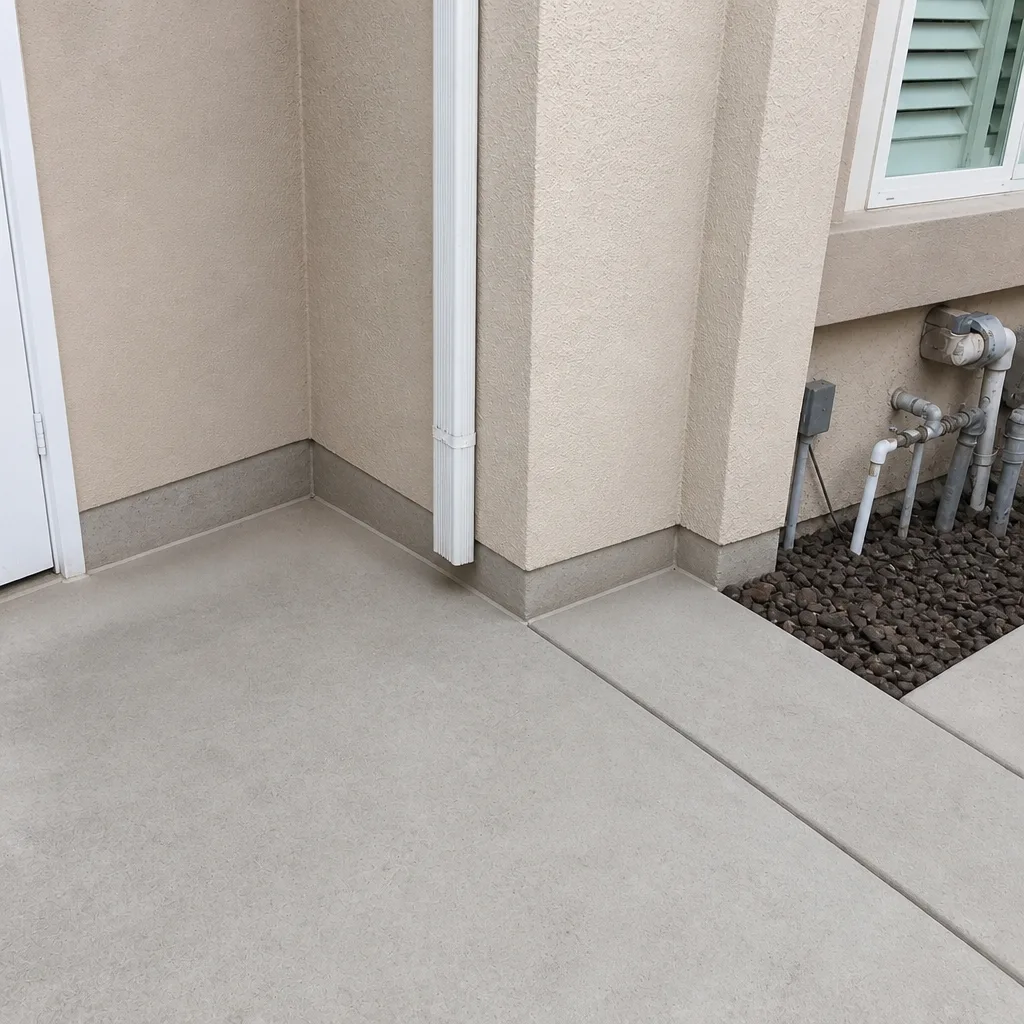 After
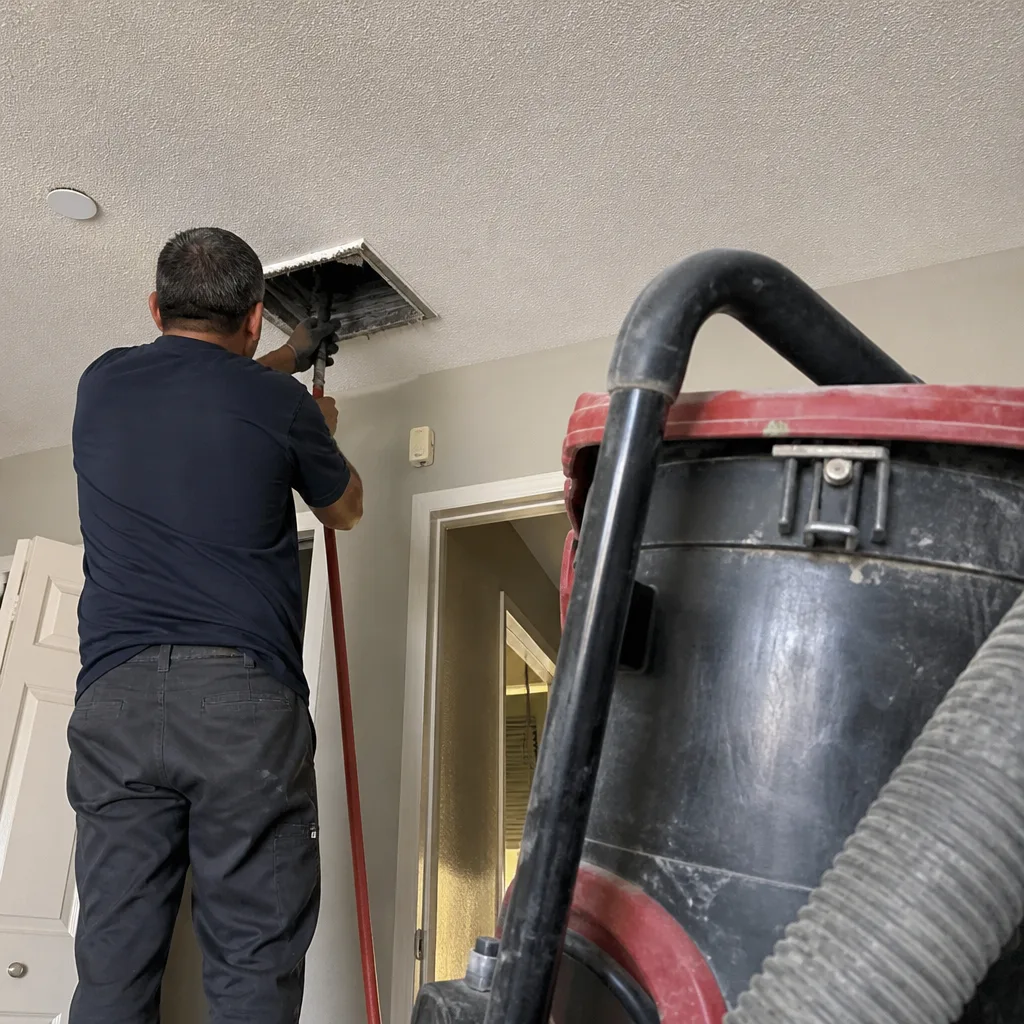 Before
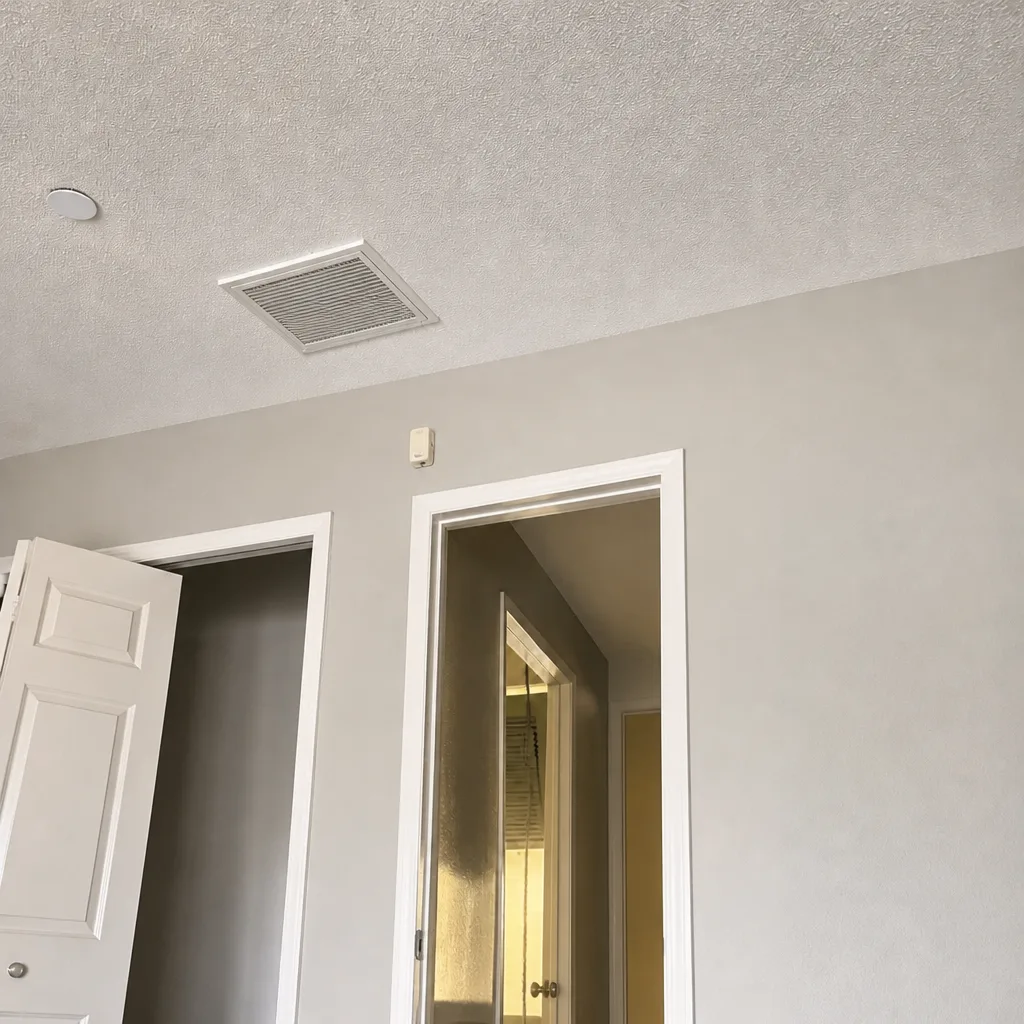 After
Common Mistakes to Avoid
- Assuming a stronger shop vac equals a professional cleaning. CFM at the hose is not the same as CFM through the system under load. Filter restriction and duct length cut that number fast.
- Pushing a brush into a duct without a collection point. This redistributes debris through the system instead of removing it, and it’s the single most common DIY error we see in Aliso Viejo homes.
- Skipping the filter change before a cleaning. A clogged filter restricts airflow and makes cleaning less effective. Replace it first, then clean.
- Taping over seams with the wrong material. Standard duct tape fails over time and leaves residue. Duct sealing requires the right mastic or foil tape, and a proper repair pass if a seam has already opened.
- Cutting into flex duct to access a run. A tear in the inner liner is a permanent efficiency loss, and it costs more to repair than the cleaning would have.
- Ignoring musty smells. Odor usually means moisture or microbial growth somewhere in the system. Cleaning alone won’t fix it; sanitizing and moisture source correction will.
- Choosing a bid on price alone. A quote that’s dramatically lower than others usually means faster equipment, less time per run or no repair pass. Compare scope, equipment and what’s actually being cleaned.
When to Call a Professional
Call a professional when any of these are true: you can see visible dust buildup inside a register boot; the system has never been cleaned and the home is more than a few years old; anyone in the household has allergies, asthma or other respiratory sensitivity; there’s a musty or stale smell when the system runs; you’ve recently remodeled and drywall dust may be in the ducts; or you’ve tried a DIY pass and the air quality didn’t improve. All of those point to contamination beyond the register level. When ducts are damaged or leaking, the job calls for duct repair and sealing alongside the cleaning. Aliso Viejo Air Duct Cleaning Pros offers free estimates in Aliso Viejo – call (877) 820-9657. We answer 24/7. Fast dispatch from 7am to 7pm, Sunday through Friday.
Frequently Asked Questions
You can clean the registers and grilles, but a shop vac cannot clean the duct system itself because it doesn’t generate enough sustained negative pressure to capture debris at the far end of a run. Agitating dust without capture redistributes it through the system. For anything past the register level, professional equipment is the practical answer. That’s what the Aliso Viejo Air Duct Cleaning Pros team brings to every job.
Professional air duct cleaning is priced per system by a written estimate, not per vent, so the range depends on your system size, number of runs and level of contamination. We give a flat price for the whole system before work starts, so there are no per-vent surprises on the invoice. Call (877) 820-9657 for an exact quote; estimates are free.
Usually because the scope is smaller than it appears: faster equipment, less time per run, no repair or sealing pass, or a per-vent price that balloons once the technician is on site. Ask any provider what equipment they use, whether sealing is included, and whether you’ll see before-and-after photos of your own ducts. We provide before-and-after photos on every job, and our flat price per system is agreed before work begins.
Before-and-after photos of your own ducts, taken during the visit. A reputable provider shows you the collection point and the register boots, and can tell you what was found and where. If a provider won’t show you the evidence, that’s your answer. Call (877) 820-9657 to schedule a visit where the photos are part of the deliverable.
For most Aliso Viejo homes, every few years is reasonable, sooner if you’ve remodeled, have pets, or anyone in the household has respiratory sensitivity. The filter is a different schedule entirely: check it monthly and replace it on the manufacturer’s interval. If you’re not sure whether you’re due, a visual check with a flashlight often answers the question. Call (877) 820-9657 for a free estimate if it’s borderline.
It can be, for a compact single-zone system with short accessible runs, if you can establish negative pressure at the far end and contain the work area properly. Outside that narrow case, a rental rotary tool is a false economy. Our technicians have up to 15 years of experience, and we’ll tell you honestly whether your layout falls into that exception or not. Call (877) 820-9657 for a free estimate.
The Bottom Line
The DIY-versus-professional question for air ducts has an unusually clear answer. Register cleaning, filter changes and dryer vent lint maintenance are yours to handle, and worth doing regularly. Whole-duct cleaning is a source-removal process that depends on negative pressure no consumer tool can produce, and a failed DIY attempt can make the professional job larger. The one exception is a small single-zone system done correctly. For everything else, a flat price per system, proper equipment and before-and-after photos are worth more than a rented brush. Call (877) 820-9657. We answer 24/7. Fast dispatch from 7am to 7pm, Sunday through Friday.
Written by the team at Aliso Viejo Air Duct Cleaning Pros.