
Last updated November 23, 2026
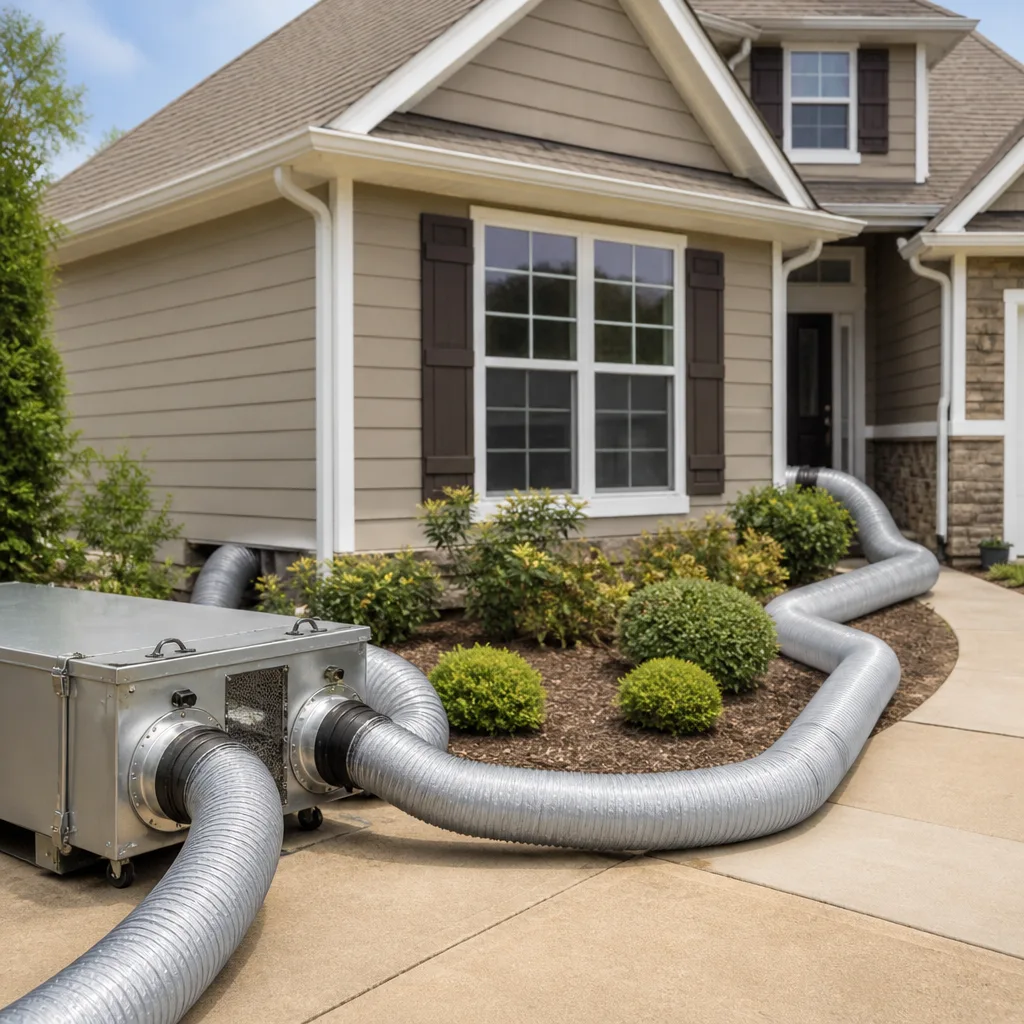 Whole-home duct cleaning
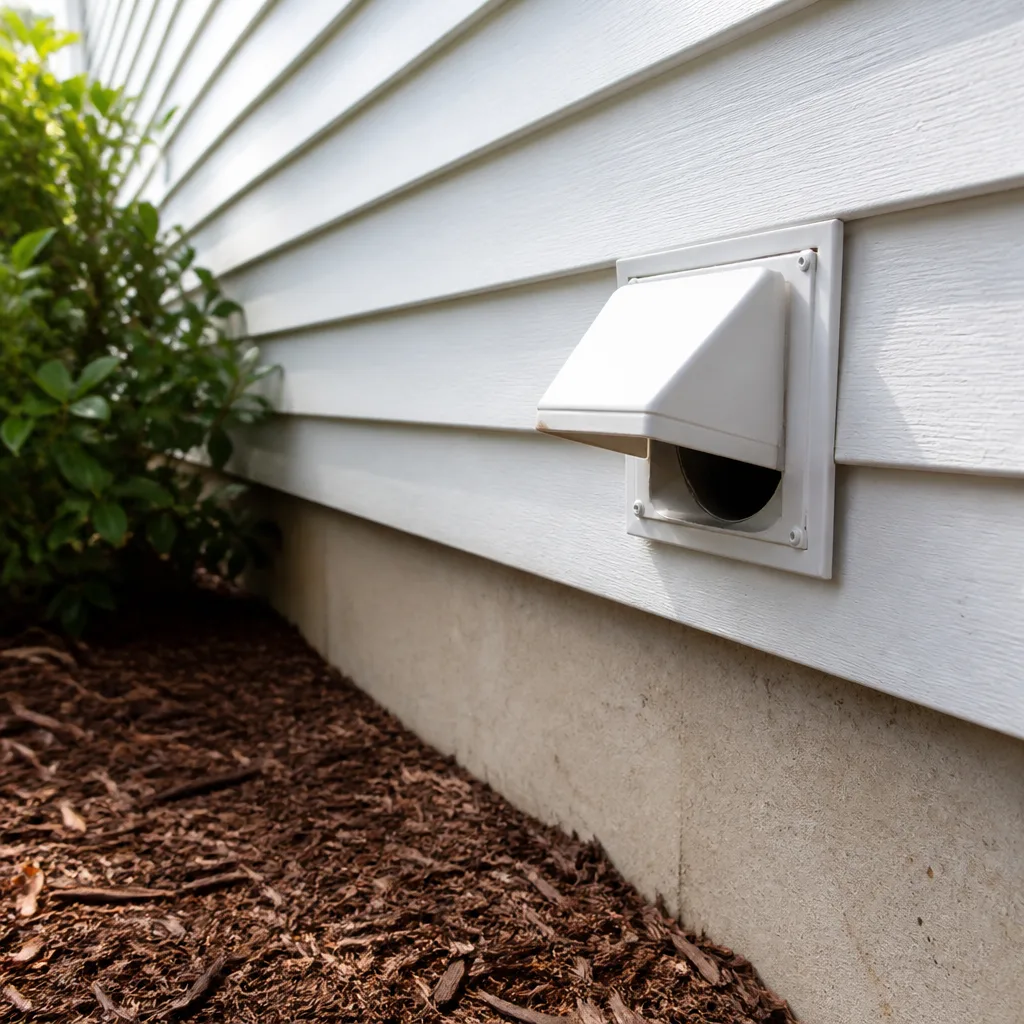 Dryer vent cleaning
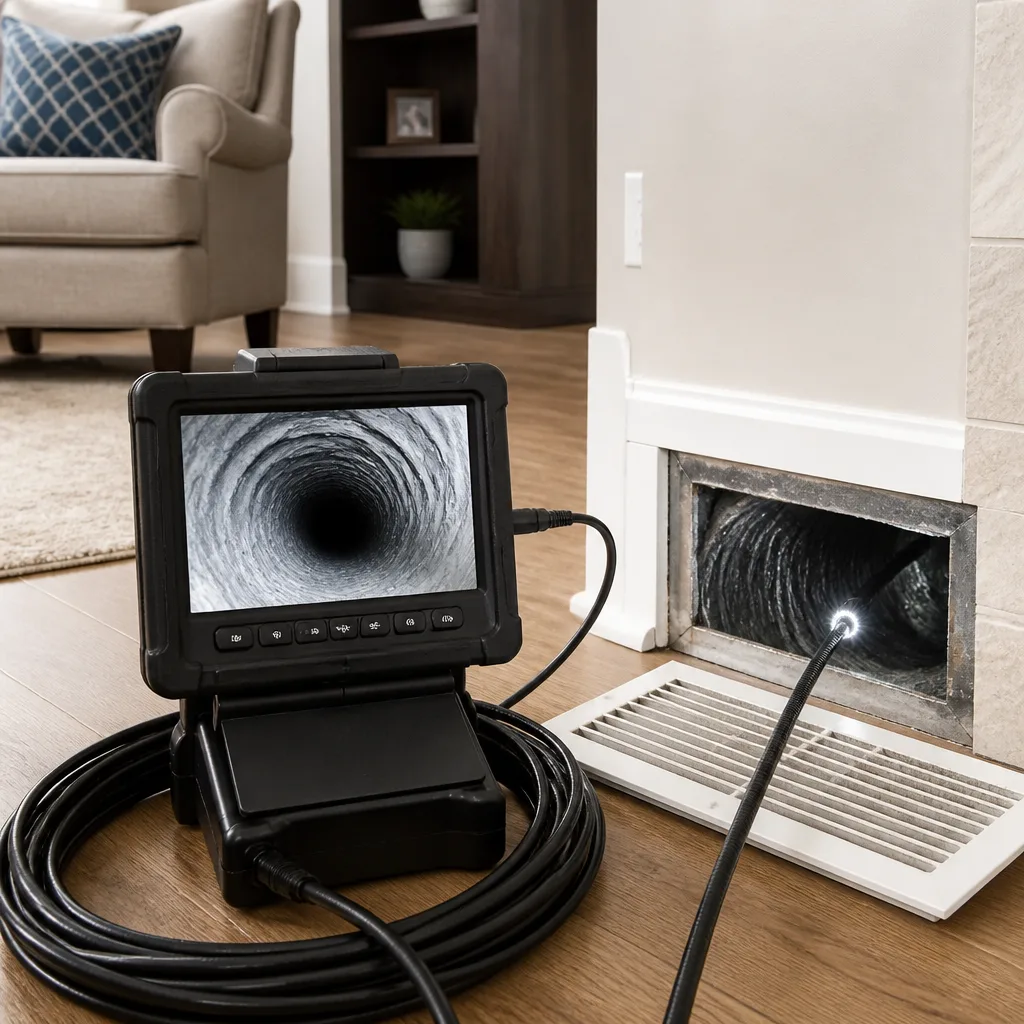 Camera inspection
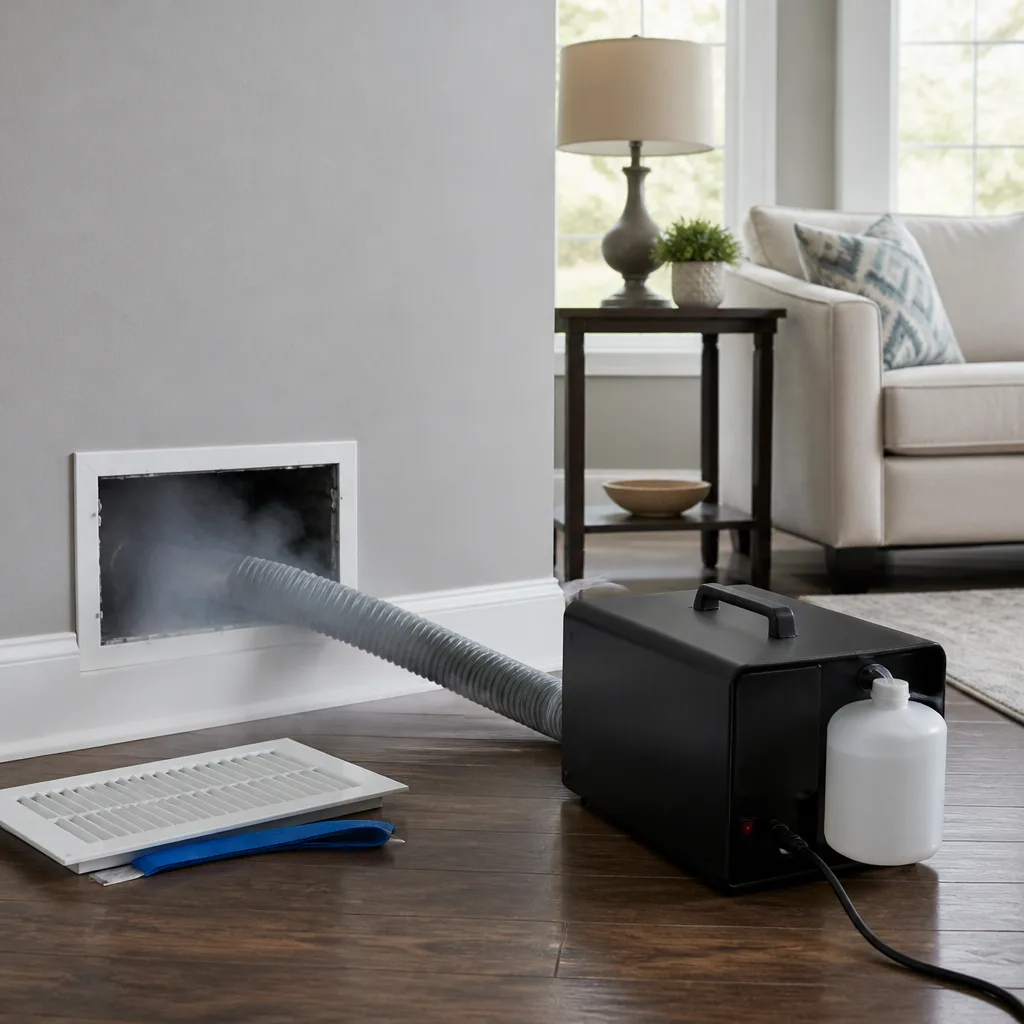 Sanitizing & deodorizing
Whole-system duct and dryer vent check with before-and-after photos - you see exactly what came out of your vents
That "$99 whole-house special" is a bait ad - the real number appears once they are in your hallway, or the "clean" is a shop-vac at the register. We photograph the inside of your ducts before and after instead.
The Complete Guide to Air Duct Cleaning in Aliso Viejo
Most air duct guides are written for Chicago or Atlanta. Aliso Viejo isn’t either one. This city sits at the mouth of a coastal canyon corridor where the wind reverses direction twice a day, which means the air moving through your duct system is never the same two days running. That single fact changes how contamination builds up, when it builds up fastest, and which cleaning methods actually work. In this guide we’ll walk through how the local marine layer and Santa Ana cycle affect South Orange County duct systems, what a real inspection looks like before anyone touches your vents, the difference between a true source-removal cleaning and a glorified vacuum job, and how to verify the work was done before the technician pulls out of your driveway.
Quick Answer
Air duct cleaning in Aliso Viejo removes accumulated dust, pollen, and microbial growth from your home’s duct network using source-removal equipment and negative air pressure, not surface vacuuming. A proper job includes a pre-cleaning inspection with camera scoping and static pressure readings, source removal to NADCA ACR standards, optional sanitizing with Abatement Technologies protocols, and a post-cleaning verification walkthrough with before-and-after photos. Pricing is set per system by written estimate, not by vent count.
Styles & brands we work with
- Whole-home duct cleaning
- Dryer vent cleaning
- Camera inspection
- Sanitizing & deodorizing
Table of Contents
- Why Aliso Viejo’s Climate Changes Everything About Duct Contamination
- Signs Your Ducts Need Cleaning (and Signs They Don’t)
- What a Legitimate Inspection Looks Like Before Any Cleaning Begins
- The Equipment That Separates Real Duct Cleaning From Shop-Vac Theater
- Source-Removal vs. Contact-Vacuum Cleaning: What NADCA ACR Actually Requires
- Post-Cleaning Verification: What to Request Before the Technician Leaves
- What Duct Cleaning Costs in Aliso Viejo and Why Quotes Vary So Much
- Duct Repair and Sealing: The Step Most Companies Skip
Why Aliso Viejo’s Climate Changes Everything About Duct Contamination
The marine layer rolls in overnight and pulls back by mid-morning, and the Santa Ana winds push dry, particulate-heavy air down the canyons from the northeast in the fall. That twice-a-day reversal means your home’s duct system is breathing in moist ocean air at night and dry inland air during the day, and the moisture load in your ductwork swings with it. Dust that settles inside a flex duct during a humid marine-layer night clings. When the Santa Anas arrive days later, that same dust gets lifted and distributed through every room in the house.
In our experience working duct systems across South Orange County, this cycle produces a distinctive pattern. Homes on the inland side of Aliso Viejo, closer to Aliso Creek and the canyon ridges, tend to accumulate fines and pollen in the return-side ductwork faster than homes nearer the coast because the daytime thermal pull drags inland air through the system. Homes closer to the Pacific side see more moisture-driven biological growth in the plenum and near the evaporator coil.
What that means in practical terms:
- Return ducts collect more than supply ducts. The negative-pressure side of the system is the intake, so particulate concentrates there first.
- Fall is the worst season for particulate load. Santa Ana events can add weeks’ worth of dust in a few days.
- Spring marine layer matters for moisture. Condensation on cold coil surfaces creates a growth medium inside the air handler cabinet.
- Homes with zoned systems see uneven distribution. Some branches carry far more contamination than others, which is why camera scoping each run matters.
A generic guide that tells you to clean ducts “every three to five years” ignores the fact that the actual interval in Aliso Viejo depends on where you sit in the canyon corridor, how often your system runs, and whether you use filtration rated for the particulate load. We’ll get to interval guidance later in this guide.
Signs Your Ducts Need Cleaning (and Signs They Don’t)
Most homeowners call us because of a symptom, not a schedule. The useful question is whether the symptom actually points to dirty ducts or to something else entirely. Here’s how we sort it.
Signs that usually do point to dirty ducts
- Visible dust streaming from supply registers shortly after the system kicks on
- A musty or “gym locker” smell that appears only when the air handler runs
- Dust settling on surfaces within a day or two of cleaning, repeatedly
- Allergy or asthma symptoms that worsen indoors during Santa Ana events
- Visible debris, rodent droppings, or construction dust inside registers or the return plenum
Signs that often point somewhere else
- A clogged filter that hasn’t been changed in a year (start here before booking any cleaning)
- Uneven cooling in one room, which is usually a balancing or duct-sizing issue, not a cleanliness one
- High energy bills with no other symptoms, which is a diagnostic question, not a cleaning one
- A visible layer of dust on the coil, which is HVAC cleaning, a separate scope from duct cleaning
One thing we tell every homeowner who calls: if a company quotes a full cleaning before they’ve even looked at your system, they’re selling, not diagnosing. An honest assessment sometimes ends with “your ducts are fine, change your filter more often and call us in two years.” That’s a good outcome.
If you’re seeing multiple symptoms at once – dust plus odor plus allergy flare-ups – that’s usually the point where professional air duct cleaning is worth scheduling.
What a Legitimate Inspection Looks Like Before Any Cleaning Begins
Any duct cleaning worth paying for starts with an inspection, and the inspection is not just a guy shining a flashlight into a register. Here’s what a proper pre-cleaning inspection includes, in order.
- Visual register check. Every accessible supply and return register is removed and inspected individually. The technician should look for debris, moisture, biological growth, and pest evidence at each one, not just a sample.
- Camera scoping of the trunk and major branches. A camera snake is inserted into the trunk line and each primary branch to see what’s actually in the ductwork beyond the first 12 inches. This is where hidden contamination gets found – and where dishonest companies hide imaginary problems.
- Static pressure reading. A manometer is used to measure the pressure differential across the system. High static pressure often indicates restricted airflow from debris, a collapsed flex run, or a disconnected duct. This reading matters because cleaning a duct system with a disconnected run is wasted work.
- Air handler and coil inspection. The cabinet is opened and the evaporator coil surface is checked for dust matting. If the coil is loaded, cleaning only the ducts leaves the source of contamination in place.
- Documentation. Photos of each finding, labeled by location. If the technician can’t show you photos of what they’re proposing to clean, ask why.
We bring a camera scope and manometer to every inspection because a visual walkthrough alone misses the two things that matter most in Aliso Viejo’s climate: moisture-driven growth inside the plenum and particulate loading in the return trunk. Neither is visible from a register.
The Equipment That Separates Real Duct Cleaning From Shop-Vac Theater
The single most common reason a cheap duct cleaning produces no measurable improvement is the equipment. Consumer vacuums and small portable units pull a fraction of the air volume required to dislodge contamination from duct surfaces and carry it out of the system. They clean the register, then lose vacuum the moment the hose needs to travel 30 feet to the trunk.
A truck-mounted negative-air system works the opposite way. It attaches to the main trunk of your ductwork and pulls a high-volume vacuum across the entire system, keeping the ductwork under negative pressure so loosened debris travels out instead of into your home. Nikro and Rotobrush platforms are the two systems we use, and they’re the same platforms used by certified indoor-air-quality contractors. There’s a reason for that consistency: contamination removal isn’t a marketing claim, it’s a measurable outcome that depends on airflow volume and agitation technique.
Why truck-mount matters more in Aliso Viejo’s larger floor plans
Many Aliso Viejo tract homes sit in the 2,000 to 3,500 square foot range with long duct runs from a centrally located air handler. A portable unit loses suction over those distances. A truck-mounted system holds consistent negative pressure through the full trunk and every branch, which means the far bedrooms get the same treatment as the rooms closest to the unit. In our experience, that’s where portable units fail – the customer’s master suite never gets properly cleaned, and they can’t tell because the visible registers look the same either way.
We pair the negative-air equipment with agitation tools on the supply side and HEPA-filtered collection on the exhaust side. The goal isn’t just “vacuum the ducts” – it’s to dislodge what’s adhered to the walls and contain it while it travels out of the home. For more on the equipment behind the service, see Aliso Viejo Air Duct Cleaning Pros.
Source-Removal vs. Contact-Vacuum Cleaning: What NADCA ACR Actually Requires
These two terms get used interchangeably by a lot of companies, and they shouldn’t be. The difference is what standards the job actually meets.
Contact-vacuum cleaning puts a vacuum hose at each register and pulls loose dust out of the immediate area. It removes what’s sitting within inches of the vent. It does not dislodge adhered contamination from duct walls, and it does not address the trunk, plenum, or branches beyond the register face. This is the technique used by the cheapest bids you’ll see, and it’s why some homeowners say cleaning “didn’t do anything.” They’re right.
Source-removal cleaning is the standard defined by the National Air Duct Cleaners Association in its Assessment, Cleaning, and Restoration (ACR) standard. It means the contamination that’s adhered to duct surfaces is physically dislodged and carried out of the system, using agitation plus negative pressure, with the entire duct network addressed – trunk, branches, plenum, and registers. It also requires the technician to assess the system first and identify whether the contamination source (a dirty coil, a disconnected run, a leaky return) needs to be addressed for the cleaning to hold.
Ask the company you’re considering which standard they follow. If they don’t know what NADCA ACR is, that’s your answer. If they say “we follow NADCA standards” but can’t explain the source-removal versus contact-vacuum distinction, they likely don’t actually practice it.
Post-Cleaning Verification: What to Request Before the Technician Leaves
Verification is the step that separates a real duct cleaning from a service call that ends with a handshake and no proof. Before the technician loads up, ask for these five things.
- Before-and-after photos of your own ducts. Not stock photos, not photos of somebody else’s system. Your return trunk, your air handler cabinet, at least two supply branches. Photos taken by the camera scope during the initial inspection should match the after-photos in the same locations.
- A repeat static pressure reading. If the system was restricted before cleaning and it isn’t after, the numbers should reflect that. If nothing changed, ask why.
- A final visual check of every register. Walk the house with the technician and confirm each register is clean, re-seated, and not pulling away from the drywall.
- A written summary of any findings that weren’t on the original estimate. A disconnected flex run, a rusted plenum, or a coil that needs cleaning shouldn’t appear on the invoice as a surprise charge. It should be documented and quoted before any additional work.
- Confirmation of what was and wasn’t treated in the sanitizing step. If sanitizing was part of the job, you should know which products were used, what areas were treated, and whether any drying time is needed before you run the system again.
At Aliso Viejo Air Duct Cleaning Pros, we take photos on every job and share them with the homeowner before we pack up. We’d rather answer questions in your driveway than explain the invoice over the phone a week later.
What Duct Cleaning Costs in Aliso Viejo and Why Quotes Vary So Much
Duct cleaning pricing in Aliso Viejo runs wider than in most categories because the scope of work runs wider. A single-zone system in a 1,500 square foot home is a different job than a two-zone system with 22 registers and a long trunk run. The number that matters is the flat price per system, agreed in writing before work begins.
Typical estimated ranges for Aliso Viejo:
- Single-zone system, standard home: roughly $350 to $600, depending on register count and system layout
- Multi-zone system or larger floor plan: roughly $550 to $900
- Duct cleaning plus coil and air handler cleaning: add roughly $150 to $350 to the base cleaning price
- Sanitizing with Abatement Technologies protocols: add roughly $100 to $250 depending on system size
- Duct repair and sealing: quoted per issue, typically $150 to $600 depending on access and materials
Those are estimates, not fixed prices. Every home is different, and the written estimate you receive after the inspection sets the final number.
Why are some quotes so much cheaper?
Because they’re quoting a different job. A $99 or $149 coupon usually prices a contact-vacuum pass on the main trunk with no camera inspection, no static pressure reading, no branch cleaning, and no post-cleaning verification. It’s a real service – it’s just not the same service the $500 quote describes. The comparison that matters is scope against scope, not price against price.
Legitimate companies don’t quote per vent. Vent count is a rough proxy for system size, but the truck-mount setup, the plenum access, the number of branches, and the trunk length all drive the actual work. A flat per-system price based on a written inspection protects both sides.
How do I know the work was actually done?
Photos and static pressure readings. Both, taken by you or the technician, before and after. If a company can’t provide those on request, that’s the answer.
How often does it really need doing?
For most Aliso Viejo homes, every three to five years is a reasonable rhythm, but the local cycle can compress that. Homes near the canyon corridors that see more Santa Ana exposure often benefit from an inspection every two to three years. Homes with pets, recent remodeling, or allergy-sensitive occupants may need cleaning on the shorter end. Homes with a well-maintained high-MERV filter and low occupancy can stretch to five years. The inspection tells you, not a calendar.
Duct Repair and Sealing: The Step Most Companies Skip
Cleaning dirty ducts without repairing the system that lets dirt back in is like changing the oil on a car with a cracked oil pan. Duct sealing closes the leaks that pull unfiltered air from unconditioned spaces – attics, garages, wall cavities – into your living space. In our experience, a surprising number of Aliso Viejo homes have at least one disconnected flex run, a leaking plenum seam, or a return duct pulling from an attic space that shouldn’t be connected to the living space at all.
A proper duct sealing job involves:
- Pressure-testing the system to identify leak locations
- Sealing accessible joints with mastic or approved tape (not standard duct tape, which fails in our climate)
- Reconnecting and properly supporting any disconnected or sagging flex runs
- Reinsulating ducts that have lost insulation in unconditioned spaces
- Re-testing after sealing to confirm the improvement
When duct repair is part of the same visit as cleaning, the cleaning holds up. When it isn’t, you’ll often be back to the same symptoms within a year. That’s the reason we treat HVAC cleaning and duct repair as part of the same system-level conversation rather than separate line items sold independently.
The other system worth attention on a similar schedule is your dryer vent. Lint accumulation is the same kind of hidden restriction, and dryer vent cleaning on a regular cadence will prevent the airflow problems that build up silently over years. If you’re booking a duct cleaning, it’s worth asking whether the dryer vent is due as well – the equipment and the technician are already on site.
Common Mistakes to Avoid
- Booking a cleaning before an inspection. Any company that quotes a price before looking at your system is guessing, and the guess usually lands low on the estimate and high on the invoice. Insist on an inspection first.
- Accepting a coupon price without asking what it covers. A “$99 whole-house cleaning” is almost always a contact-vacuum pass on the main trunk. Ask specifically whether it covers branch cleaning, camera inspection, and post-cleaning photos.
- Assuming a portable vacuum can do a truck-mount job. It can’t, especially in the longer duct runs common to Aliso Viejo’s floor plans. Ask what equipment will be used before you book.
- Skipping the coil and air handler. Dirty ducts connect to a dirty coil. If the plenum and coil aren’t part of the conversation, the cleaning is incomplete.
- Treating duct cleaning as the whole solution. If a disconnected duct or leaky plenum is pulling attic air into your home, cleaning without repair is temporary. Ask about the sealing scope.
- Not changing the filter after cleaning. A new filter immediately after cleaning – and every 60 to 90 days through the Santa Ana season – matters more to air quality than any single cleaning.
- Ignoring the dryer vent on a similar schedule. It’s the same class of accumulated-restriction problem, often on the same annual rhythm as the ducts. If your ducts are due, the dryer vent likely is too.
See the difference
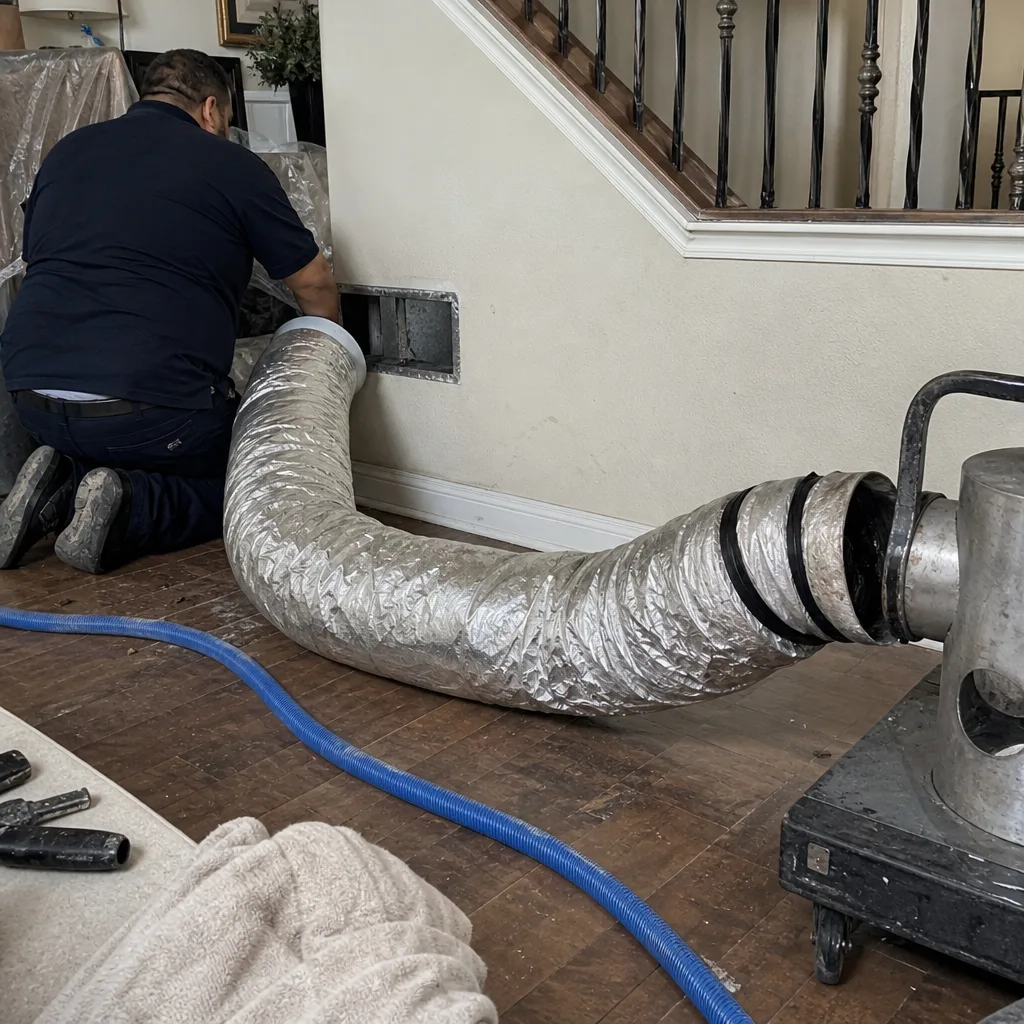 Before
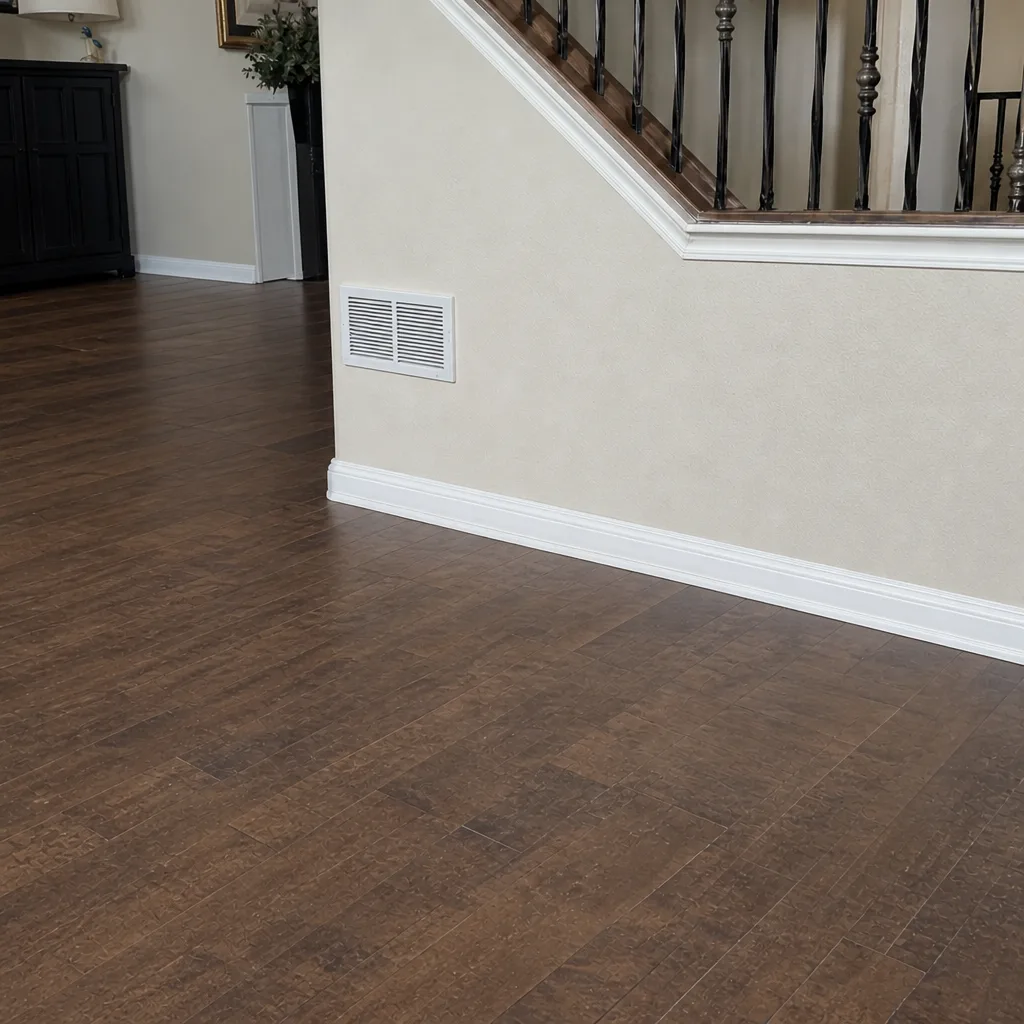 After
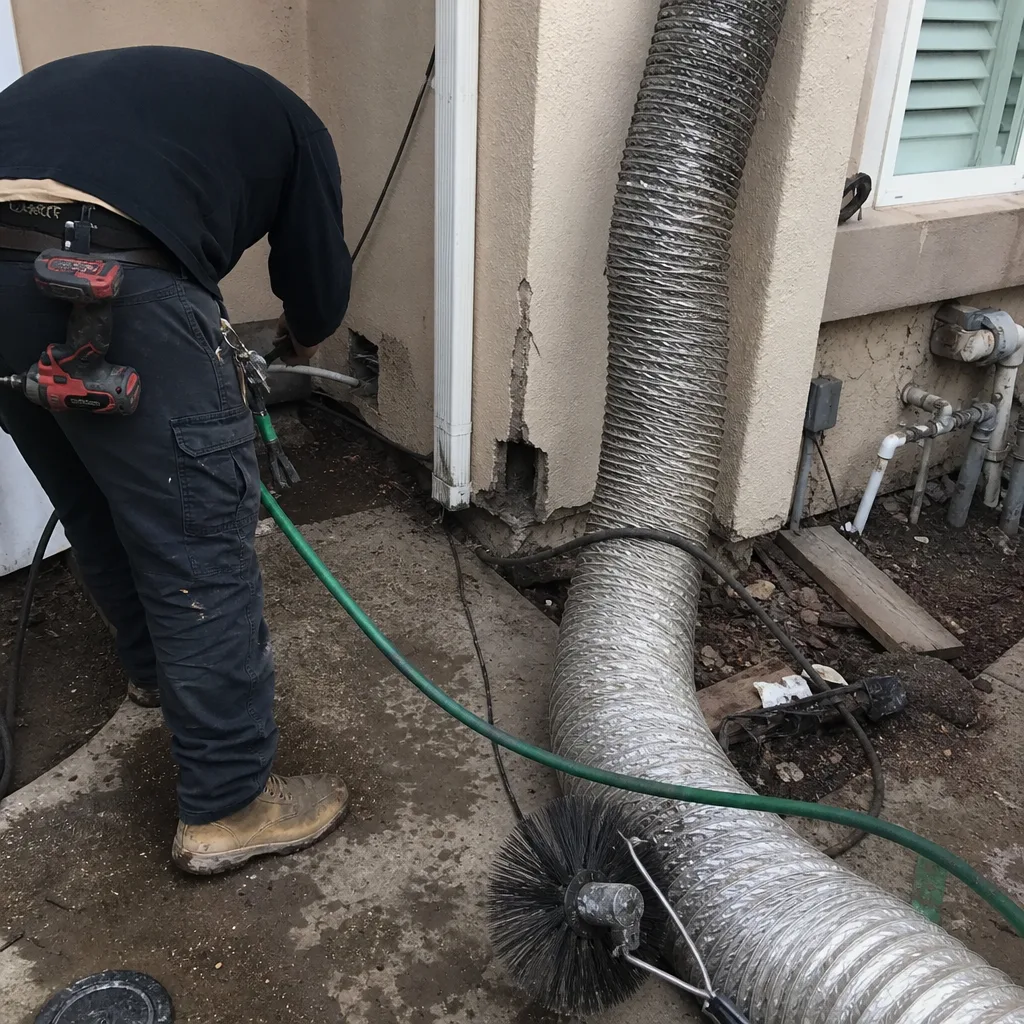 Before
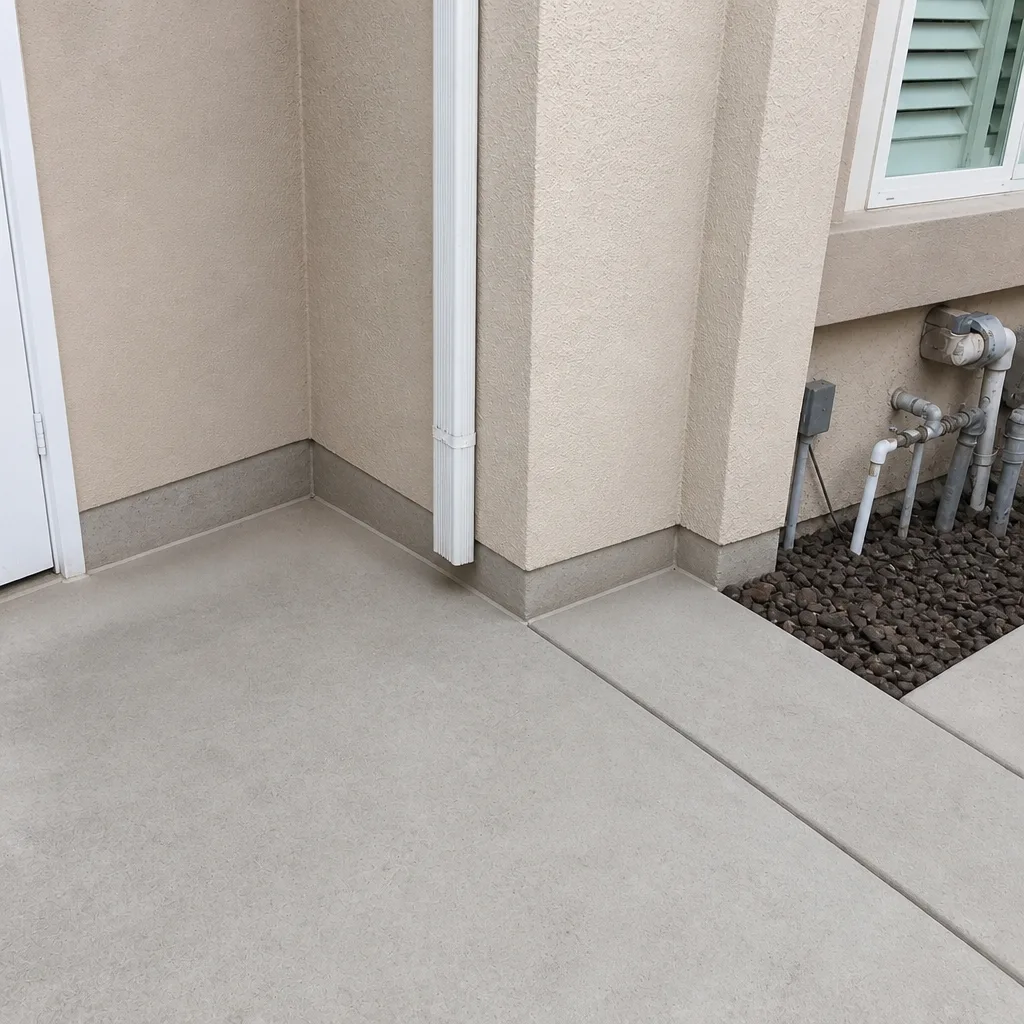 After
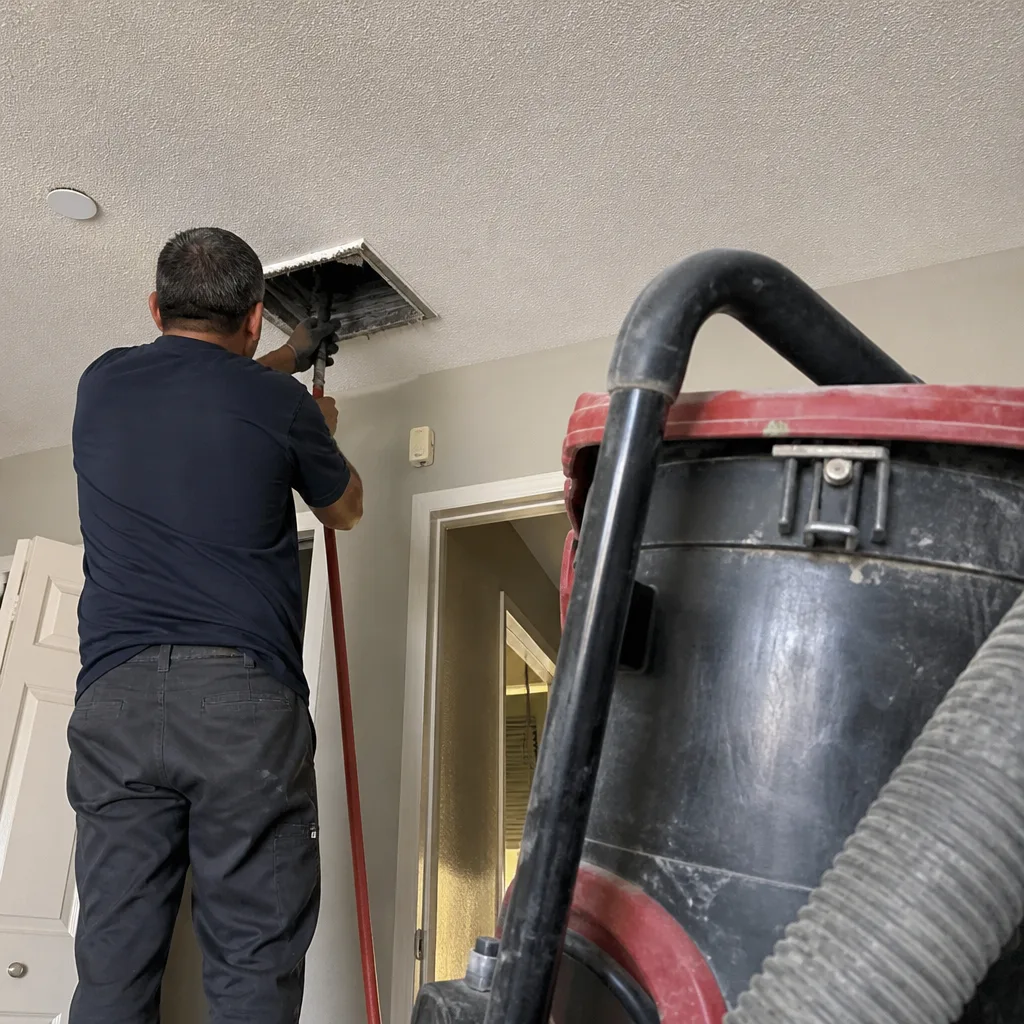 Before
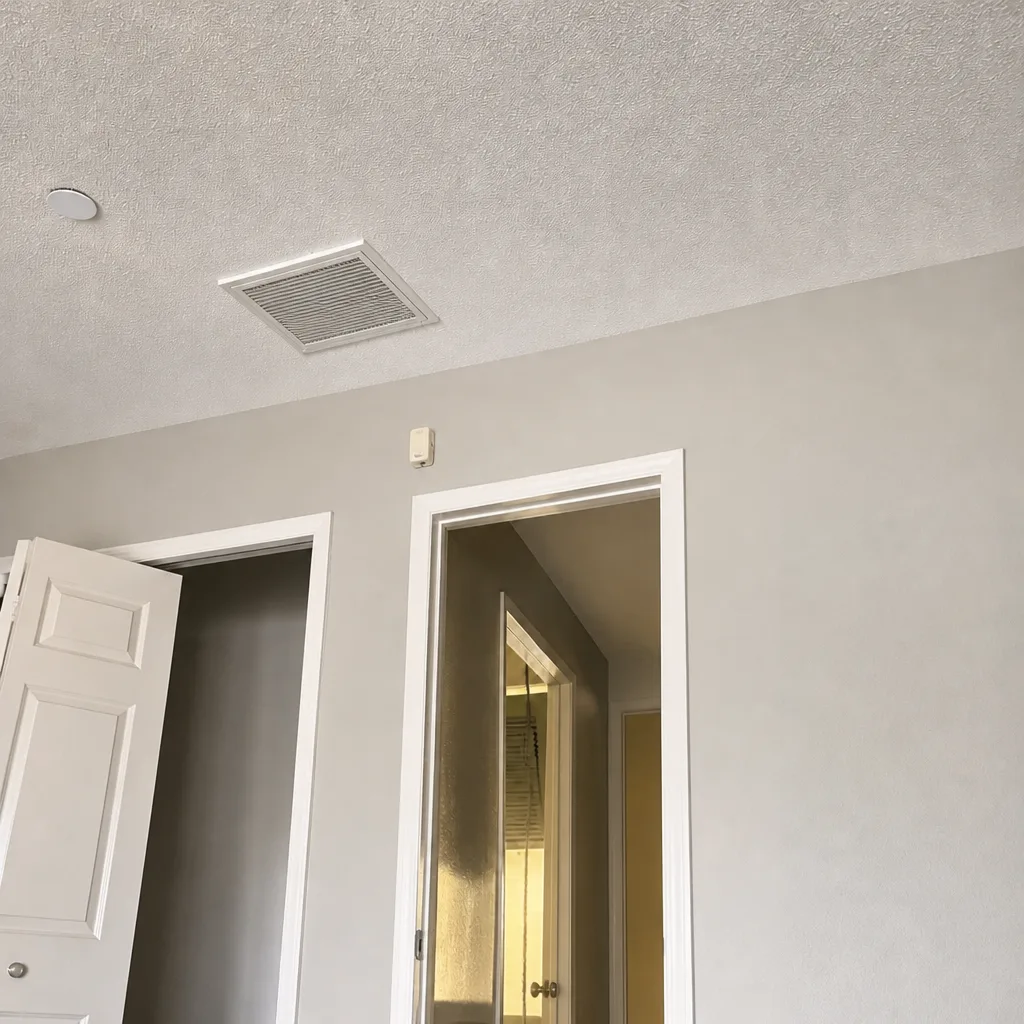 After
When to Call a Professional
Some duct issues are worth a filter change and a wait. Others get worse every week you postpone them. Call a professional when you notice dust streaming from registers within minutes of the system starting, a persistent musty smell that only shows up when the air handler runs, visible debris or pest evidence inside any register, allergy or asthma symptoms that worsen indoors during Santa Ana season, or recent water intrusion near the air handler. Also call if you’re moving into an Aliso Viejo home with unknown service history and any visible buildup, or if you’ve recently remodeled and drywall or construction dust got into the return.
If you’re dealing with any of those scenarios, Aliso Viejo Air Duct Cleaning Pros offers free estimates in Aliso Viejo – call (877) 820-9657. We answer 24/7. Fast dispatch from 7am to 7pm, Sunday through Friday.
Frequently Asked Questions
Most Aliso Viejo homes fall in the $350 to $900 range for a proper source-removal cleaning, depending on the number of zones, register count, and whether coil cleaning or sanitizing is included. The written estimate after inspection sets the final price, and the estimate itself is free. Call (877) 820-9657 for an exact quote – estimates are free.
Most homes are well-served by cleaning every three to five years, but the local Santa Ana cycle can push that shorter for homes near the canyon corridors. Homes with pets, recent construction dust, or allergy-sensitive family members should plan on an inspection every two to three years. The inspection tells you whether cleaning is actually needed. Call (877) 820-9657 to book a free assessment – estimates are free.
Duct cleaning is worth it when it’s done to NADCA ACR standards with source-removal equipment, and it’s a waste of money when it’s a contact-vacuum pass at a coupon price. The industry has a real bait-and-switch problem, which is why we insist on flat per-system pricing, a camera inspection before any quote, and before-and-after photos of your own ducts. Call (877) 820-9657 for an honest evaluation – estimates are free.
Because they’re pricing a different job. Cheap quotes typically omit camera inspection, branch cleaning, static pressure readings, and post-cleaning photos – the four things that actually define a legitimate cleaning. Compare scope against scope, not price against price. Call (877) 820-9657 to understand exactly what our estimate covers – estimates are free.
We use truck-mounted negative-air systems from Nikro and Rotobrush for source-removal cleaning, along with Abatement Technologies protocols for sanitizing and contamination control. For filtration upgrades, we work with Honeywell and Aprilaire product lines when a whole-home filtration system makes sense for the home. Call (877) 820-9657 to discuss what equipment your system needs – estimates are free.
Yes. Dryer vent cleaning is a core service alongside air duct cleaning, and it’s worth scheduling on a similar interval because lint accumulation creates the same kind of silent restriction issue. If your ducts are due, ask about the dryer vent during the same visit. Call (877) 820-9657 to book both – estimates are free.
The Bottom Line
Aliso Viejo’s marine layer and Santa Ana wind reversal create duct contamination patterns that generic national guides miss. Real duct cleaning means source removal, not surface vacuuming, and it requires the right equipment – truck-mounted negative-air systems like Nikro and Rotobrush, not portable units. A legitimate job starts with a camera inspection and static pressure reading, follows NADCA ACR standards, and finishes with before-and-after photos and a verification walkthrough. If a quote doesn’t include those steps, it’s a different service. Duct repair and sealing close the leaks that let contamination back in, and dryer vent cleaning on the same rhythm keeps your entire air system healthy. One flat price per system, agreed in writing before any work begins, protects you from the bait-and-switch reputation this industry earned.
Have questions or want to schedule an estimate for your Aliso Viejo home? Call Aliso Viejo Air Duct Cleaning Pros at (877) 820-9657 for a free estimate. We answer 24/7. Fast dispatch from 7am to 7pm, Sunday through Friday. One call covers your whole air system – duct cleaning, dryer vent cleaning, HVAC cleaning, duct repair and sealing, and air quality sanitizing.
Written by the team at Aliso Viejo Air Duct Cleaning Pros.